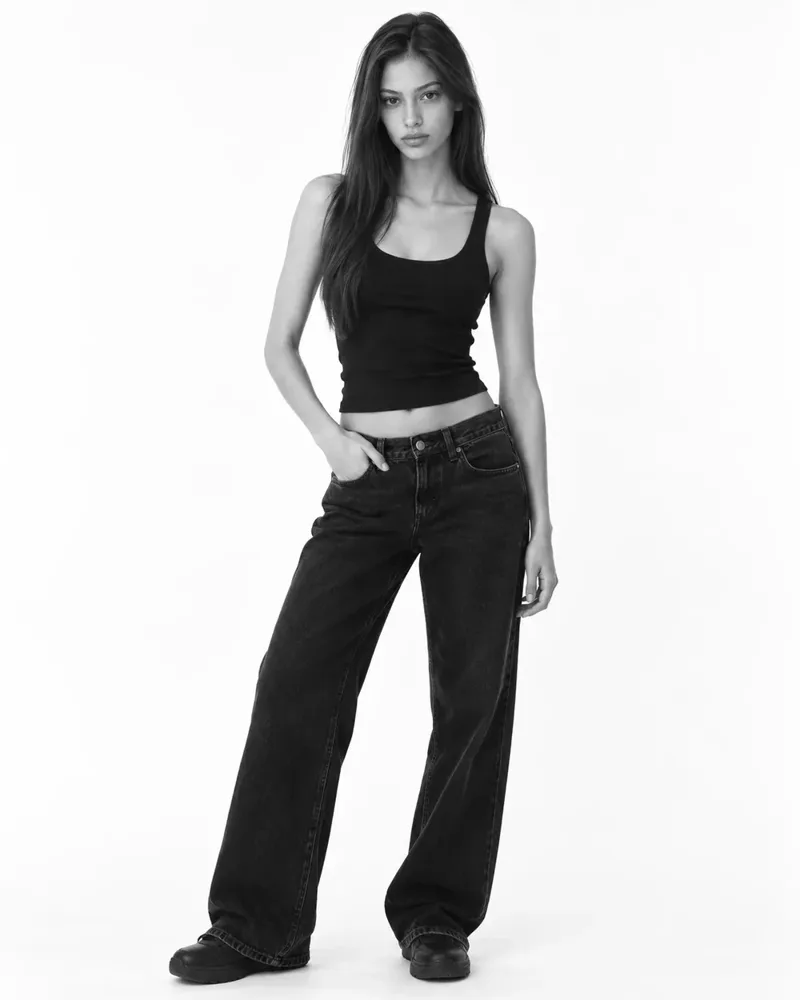
What is a model comp card?
A model comp card, sometimes called a composite card or a zed card, is a short summary of a model on a single page. It shows a handful of photos that prove your range, a few numbers a booker needs to judge fit, and your contact details. Think of it as a résumé for modeling, built from pictures.
Bookers use it because it is fast. In a few seconds they can see your look, your size and whether you suit a job. That is why a comp card is short by design. For the full definition and where the name comes from, read what is a comp card.
What goes on a model comp card
Every good comp card answers three questions quickly: what do you look like, what size are you, and how do I reach you.
- Photos. One strong main photo, usually a clean headshot or half length, and two to four more that show range: a full length, a profile or three-quarter view, and one that shows a different mood.
- Measurements. Height, bust or chest, waist, hips, shoe size, plus hair and eye colour. Use real numbers and say which units you use.
- Contact details. An email, a phone number if you are comfortable sharing it, and your agency's details once you have one.
- Optional extras. City, availability, a short list of experience, and your social handle.
Leave off anything that cannot be checked, anything that makes the card crowded, and anything you would not want a stranger to see. What to put on a comp card goes through each item, and model measurements shows how to take them properly.
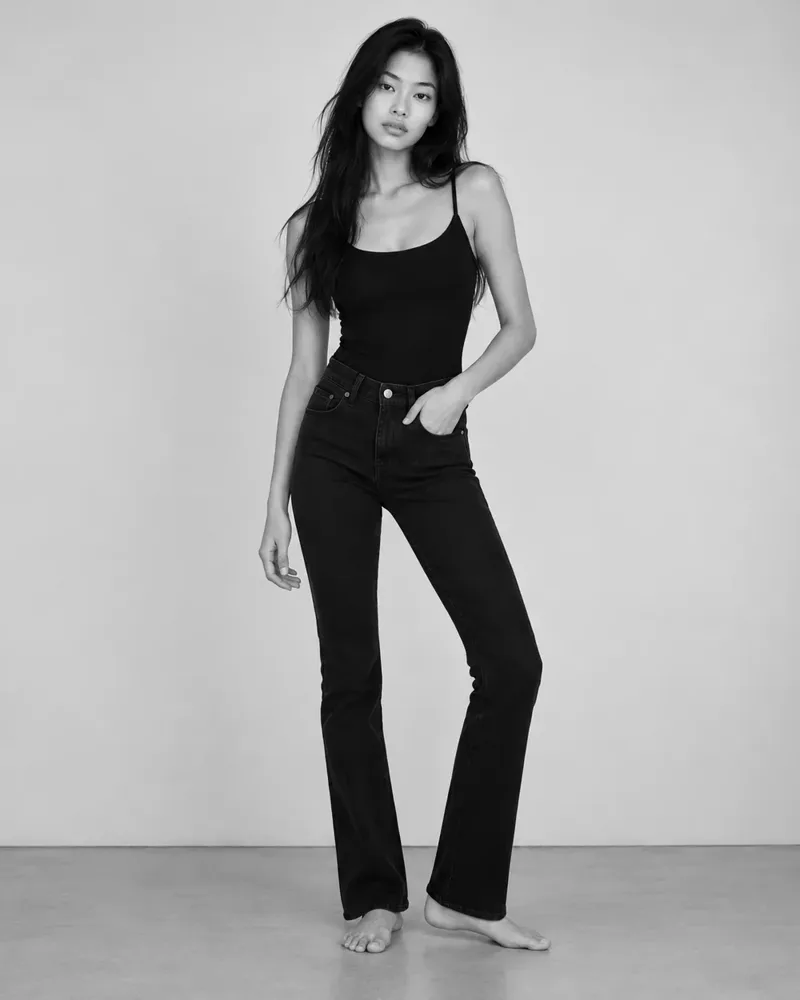
Model comp card sizes
There is no single worldwide standard. Printed cards commonly follow half-letter, letter, A5 or A4 paper sizes, depending on the country and the agency, and most are portrait or landscape sheets of ordinary paper. If an agency has a preference, it will say so, and it is worth asking.
A digital comp card avoids most of the problem, because it adapts to a screen and you can export it to the size an agency asks for. Comp card size explains the common formats and how to choose.
Model comp card examples and templates
A good layout is simple. One large photo leads, a few smaller photos support it, and the details sit in a clear block where a booker's eye lands. The seven layouts FYND offers each suit a different set of photos: Classic, Studio, Composite, Editorial, Portrait, Noir and Minimal.
- Classic is a safe single page and suits almost everyone.
- Studio and Portrait give one standout photo room.
- Composite is a grid, best when you have four or five strong images.
- Editorial suits styled, magazine-like photos.
- Noir is dark and dramatic, best with black and white work.
- Minimal keeps everything quiet and lets the photos do the work.
See all seven side by side on the model comp card examples page, and read which one fits which kind of photos in model comp card template.

Digital or printed?
Most models are better off with a digital comp card. A link or QR code opens on any phone, you can fix a typo in seconds, and you can see how many people opened it. A printed card still has a place at castings and in-person meetings, where handing something over is part of the moment.
The practical answer is both: a digital card as your main one, and a PDF you can print when someone asks. The trade-offs, and when each one wins, are in digital comp card.
How to make a model comp card in five steps
- Choose your photos. Pick three to five clear, recent photos that look like you today. Natural light and a plain background beat heavy retouching. If you need new ones, see comp card photos and modeling digitals.
- Write your numbers. Measure yourself, or ask someone to. Use the same units everywhere.
- Pick a layout. Start with Classic or whichever design shows your strongest photo best.
- Add your details. Name, city, measurements and a contact you check often.
- Share it. Send the link, show the QR code, or export a PDF.
FYND builds this for free, in minutes, with seven designs, a shareable link, a QR code and an A4 PDF. The longer walk-through is in how to make a comp card.

Comp card, portfolio and digitals
People mix these three up, but they do different jobs. A comp card is the one-page summary. A portfolio is a longer collection of your best work. Digitals, sometimes called polaroids, are simple, unretouched photos that show what you look like with no styling. Agencies often ask for digitals first and the comp card later.
Read comp card vs portfolio for the difference, comp card vs headshot if you only have one photo so far, and what a zed card is if someone asks for one by that name, and model portfolio book if you want a longer PDF to send as well.
Using your comp card to get seen
A comp card does nothing until someone sees it. Put the link in your Instagram bio and email signature, keep the QR code ready for in-person meetings, and send it with every submission.
When you submit to agencies, follow each agency's own instructions, keep the message short and polite, and attach or link your card. How to submit to modeling agencies covers what to send and what to avoid, and how to get signed by a modeling agency explains what happens next. New to all of this? Start with how to make a comp card with no experience or how to start modeling.
No card, however good, can promise work. A real agency does not charge you to be considered, so read modeling scams before you pay anyone for photos, cards or representation.
Common model comp card mistakes
- Too many photos. Three to five strong ones beat ten average ones.
- Old photos. If you look different today, update the card.
- Heavy retouching. Bookers want to see you, and a mismatch causes problems at the first meeting.
- Wrong or missing measurements. Out-of-date numbers waste everyone's time.
- No clear contact. If a booker cannot reach you in one click, you lose the job.
- Crowded layouts. If you have to choose between a clever design and a clear one, choose clear.
In short
A model comp card is short, honest and easy to open. Choose three to five varied photos, add your real measurements and a contact you check, pick a clean layout and share it as a link, a QR code or a PDF. Make your free comp card in a few minutes, and use the guides above to keep improving it.
What people ask
What is a model comp card?
A model comp card is a one-page summary of a model with three to five photos, honest measurements and contact details. Agencies and casting directors use it to judge fit quickly.
How many photos should a model comp card have?
Three to five clear, varied photos are enough: one strong main photo plus a full length, a profile or three-quarter view and one that shows a different mood.
Can I make a model comp card for free?
Yes. FYND lets you build a model comp card free in minutes, with seven designs, a link, a QR code and an A4 PDF.
What size is a model comp card?
There is no single standard. Printed cards commonly use half-letter, letter, A5 or A4 sizes, and a digital card can be exported to whichever an agency asks for.
Do I need a comp card before I have an agency?
It helps. Many agencies ask for photos, measurements and contact details at the start, and a comp card puts them in one tidy page you can send.
Is a digital comp card accepted by agencies?
Most agencies are happy with a link or PDF, but each has its own rules, so check the submission instructions before you send.