What a model portfolio book is for
A portfolio book is for the person who already has a reason to look at you. An agent who liked your comp card, a booker who wants to see range, a photographer deciding whether to work with you. It does not replace a comp card. It backs it up.
That tells you how to build it. It should be short enough to read in one sitting and strong enough that every page earns its place.
What to include
Keep it to the things a booker actually uses.
- A strong cover photo. A clean, honest portrait with your name. This is the first impression, so it should be your best image.
- A short profile. Two or three sentences on who you are, where you are based and what kind of work you do.
- Your measurements. Height, bust or chest, waist, hips, shoe size, hair and eye colour. Use real numbers. See model measurements for what to include and how to take them.
- Your photos. The bulk of the book. More on this below.
- Contact details. An email, and a phone number if you are comfortable sharing one. Add your social handles and a link or QR code to your live comp card.
How many photos you need
Eight to fifteen is plenty. A book with six great photos is better than a book with twenty where half are repeats.
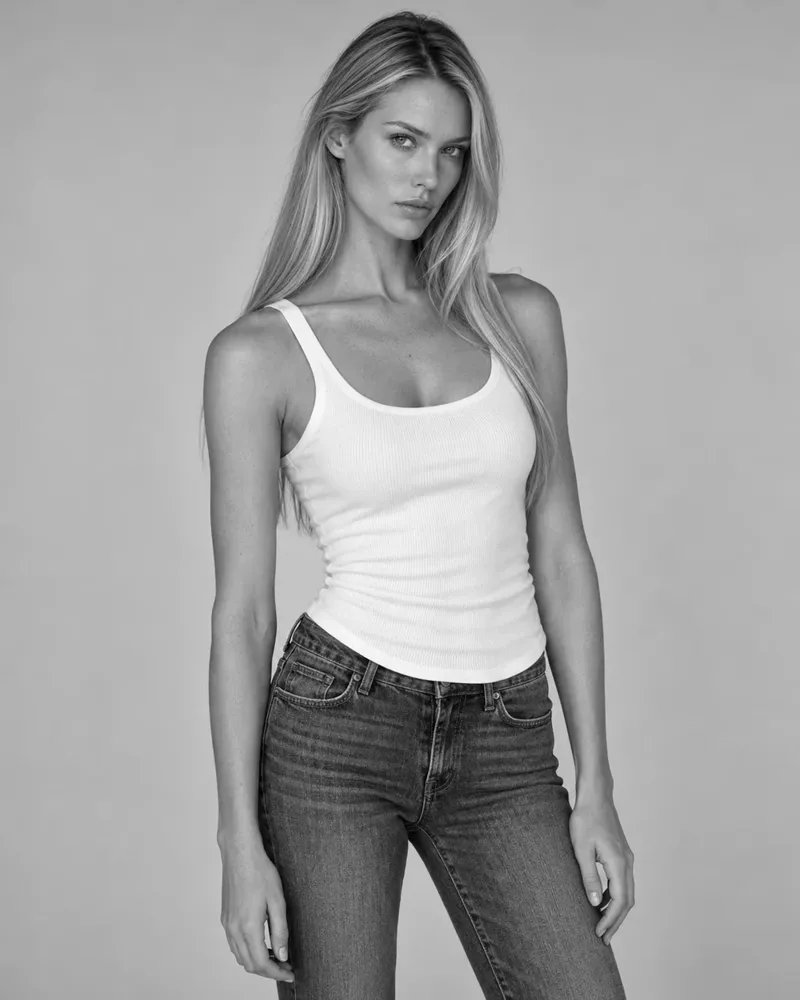
Choose for range, not volume. A booker wants to see that you can look different, so mix:
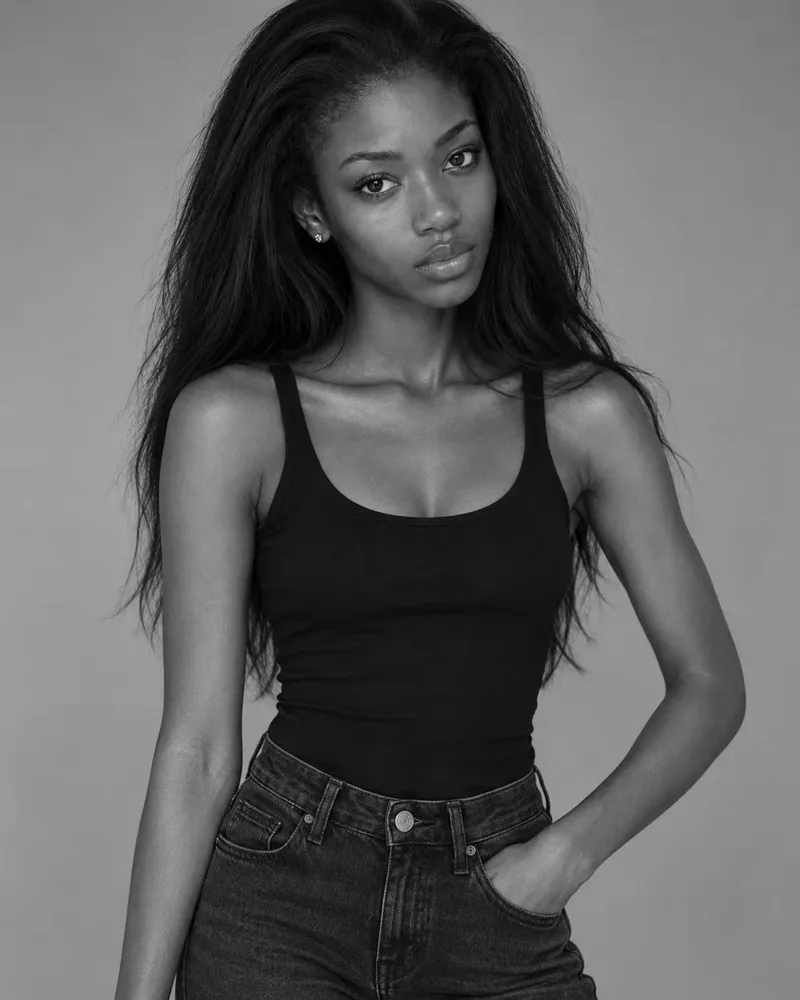
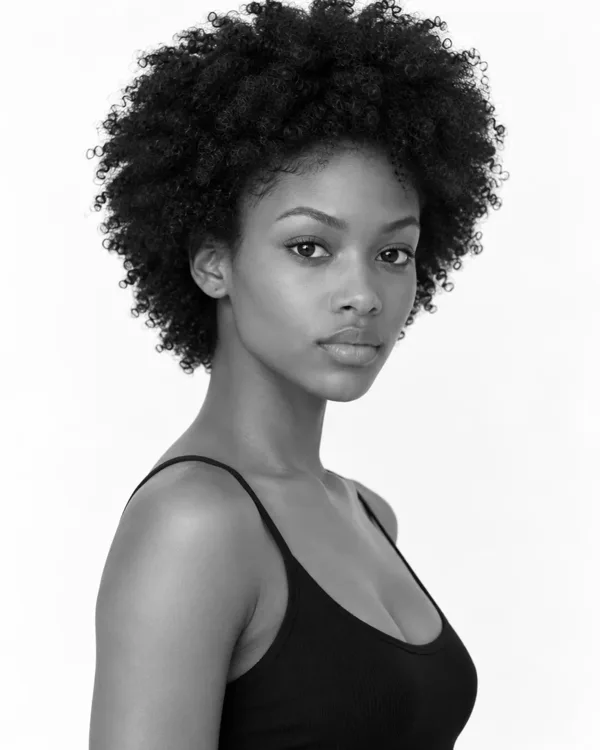
- A clean headshot with natural light and no heavy retouching.
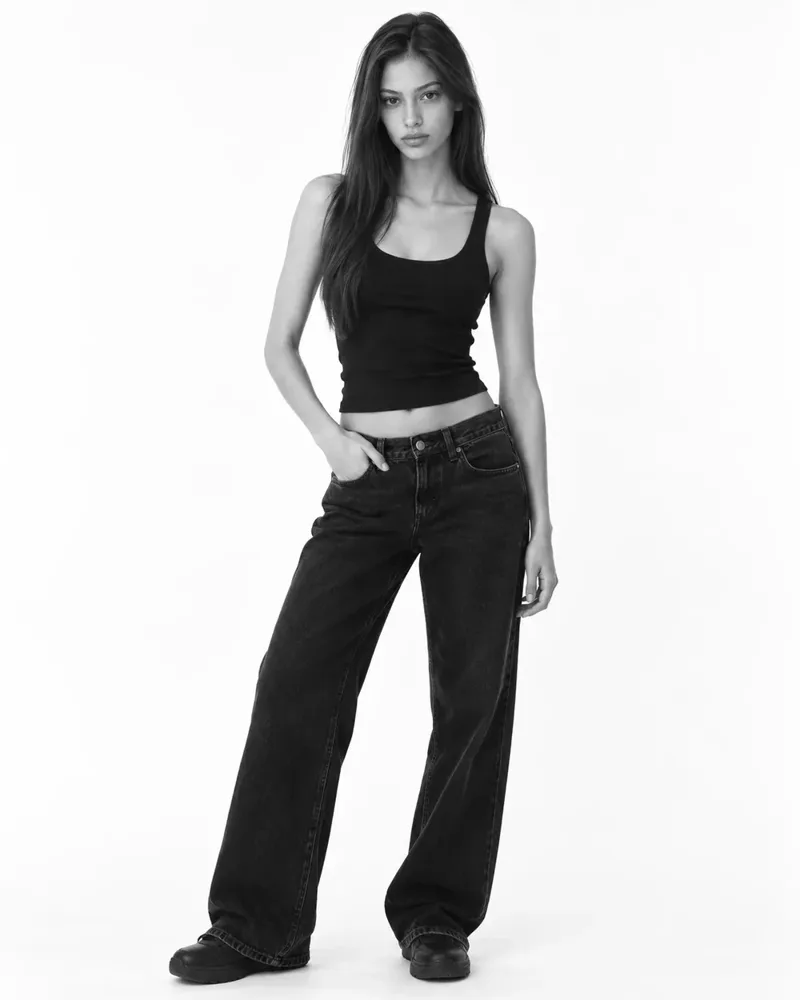
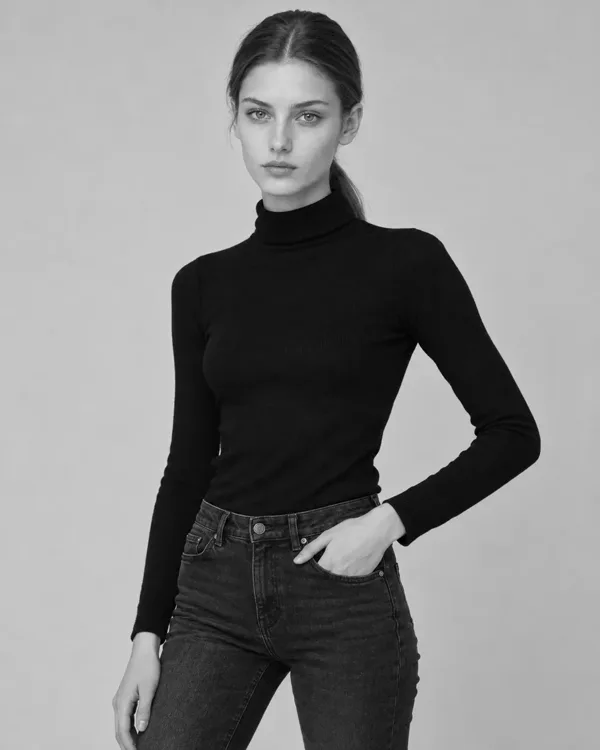
- A full-length shot that shows your shape and posture.
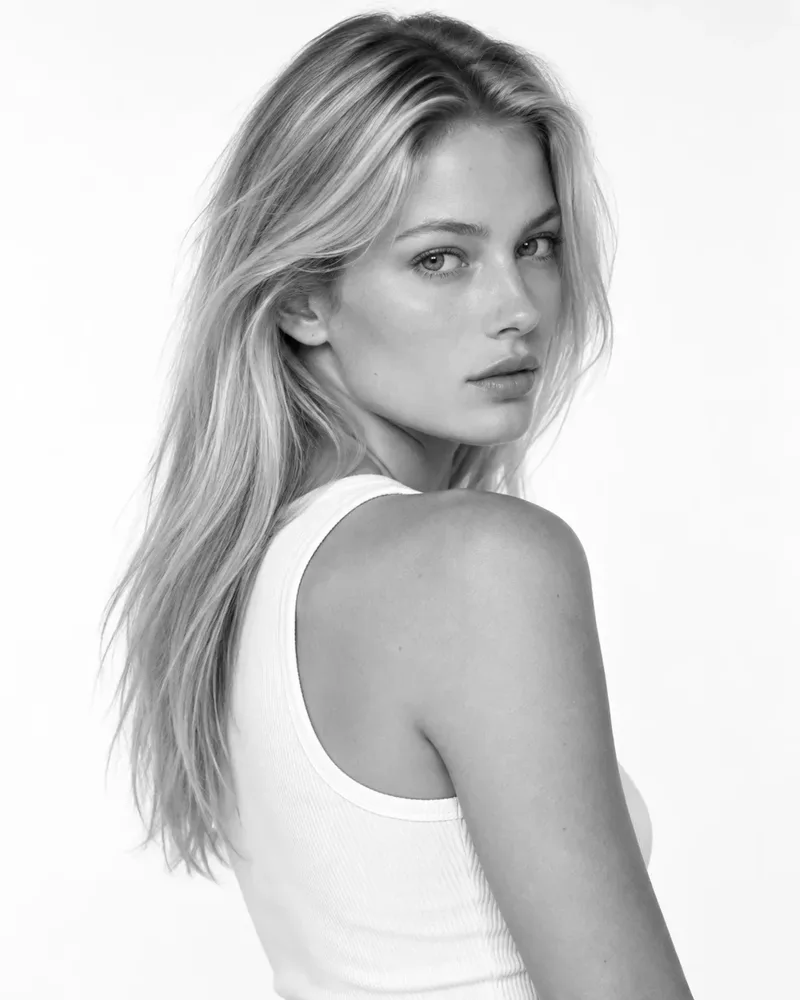
- A profile or three-quarter view.
- One or two styled or editorial images, if you have them.
- A smile and a serious expression, so they can see both.
Never use the same photo twice, and do not crop one photo into three "different" pages. If you only have a few strong images, make a shorter book. A short book of good work reads as confident. A padded one does not. If you still need photos, see how to take digitals.
How to lay it out
The best portfolio books are quiet. The photos do the talking.
- Lots of space. Let each photo breathe. Crowded pages look cheap.
- One idea per page or spread. A large photo beside a small one, or two matching photos side by side, reads better than a collage.
- Plain typography. One serif for your name, one clean sans for details. No decorative fonts.
- A neutral background. Off-white or near-black. Avoid colours that fight your skin tone.
- Consistent edits. Keep the colour and contrast of your photos close to each other so the book looks like one body of work.
Put your strongest photo first and your second strongest last, with your measurements and contact page near the front or the very end where they are easy to find.
Print or PDF?
For agencies, send a PDF. It opens on any device, nobody has to download an app, and you can attach it to the same email as your submission. Keep the file under about 10 MB so it does not bounce, and give it a clear name such as your name and the word portfolio.
A printed book is useful for in-person meetings and castings, but it is optional and costs money. Start with the PDF. Add print later if you need it.
How to build one free with FYND
FYND builds the book from what you have already put on your card.
- Add your photos, bio and measurements to your free comp card.
- Open the Book tab in your talent account.
- Preview the pages, then choose a light or dark style and whether to include your email and phone.
- Download the PDF, or email it to yourself, so you have it ready to forward to an agency.
Every photo on your cards is used once, laid out across two-page spreads. Your card link, email and social handles are clickable inside the PDF, and your QR code points to your live comp card. If you have more than one card, the book draws on all of them.
Mistakes to avoid
- Padding with repeats. The same photo twice makes the rest look weaker.
- Too much retouching. Bookers want to see you. Heavy edits create a problem at the first meeting.
- Out-of-date measurements. If they have changed, update them before you send anything.
- Missing contact details. If a booker cannot reach you in one click, you lose the job.
- A huge file. If it will not email, it will not be opened.
What to do next
Pick your best photos, write two honest sentences about yourself and build the book. Then send it with your comp card as part of a short, polite submission. If you are not sure who to send it to, read how to submit to modeling agencies.
In short
A good portfolio book is short, honest and easy to open. Choose eight to fifteen different photos, keep the layout quiet, add your real measurements and contact details, and save it as a PDF small enough to email. Then build your free portfolio book from your FYND card and send it with your comp card.
For the whole picture in one place, see model comp cards: the complete guide.
What people ask
What is a model portfolio book?
A model portfolio book is a collection of your best photos with a short bio, your measurements and your contact details, usually saved as a PDF. It gives agents and photographers a fuller look than a single comp card.
How many photos should a modeling portfolio have?
Eight to fifteen strong, varied photos is enough. Fewer great photos beat many average ones, and you should never repeat a photo to fill space.
Is a portfolio book different from a comp card?
Yes. A comp card is a single page with a few photos and your numbers, made for a quick decision. A portfolio book is longer and shows more range. Most models use both.
Can I make a modeling portfolio for free?
Yes. FYND builds a portfolio book PDF free from the photos, bio and measurements on your comp card, and you can download it or email it to yourself.
Should I send a PDF or a printed portfolio to agencies?
Send a PDF. It is easy to attach, opens anywhere and costs nothing. Keep it under about 10 MB. A printed book is optional for in-person meetings.