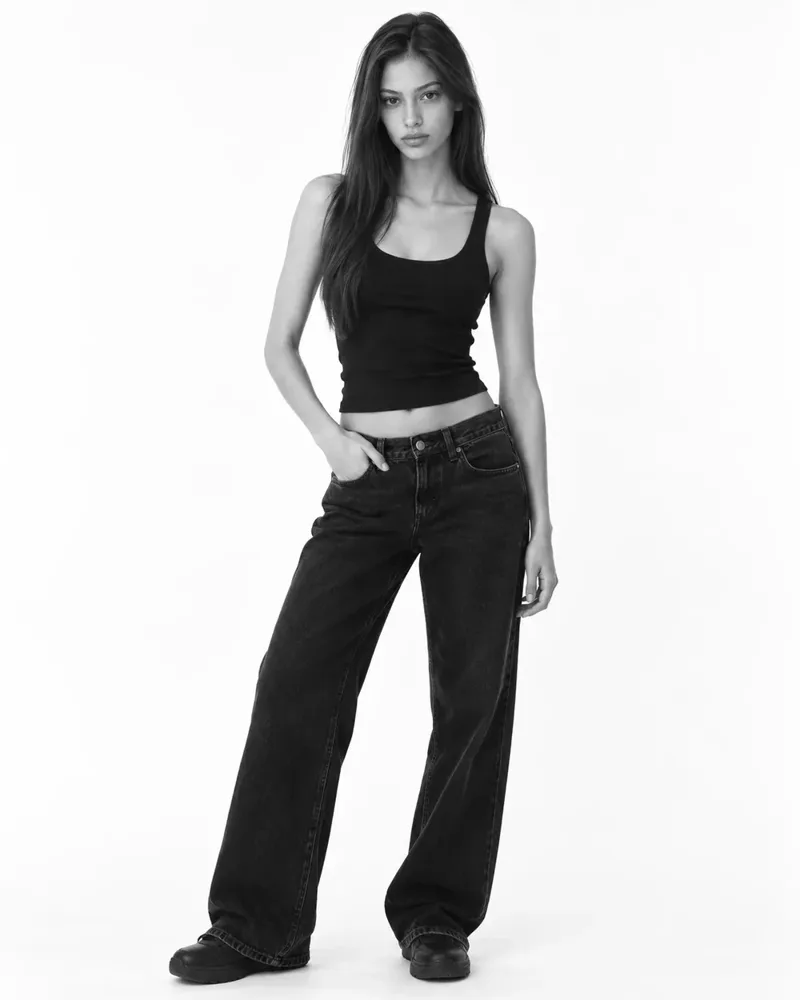
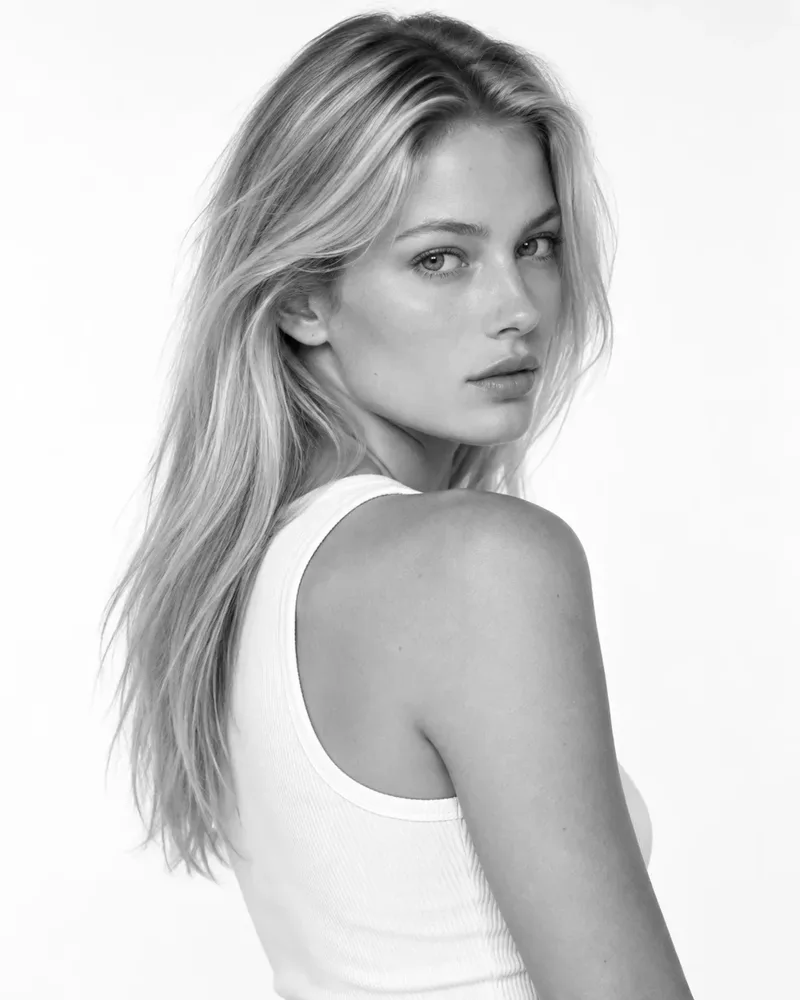
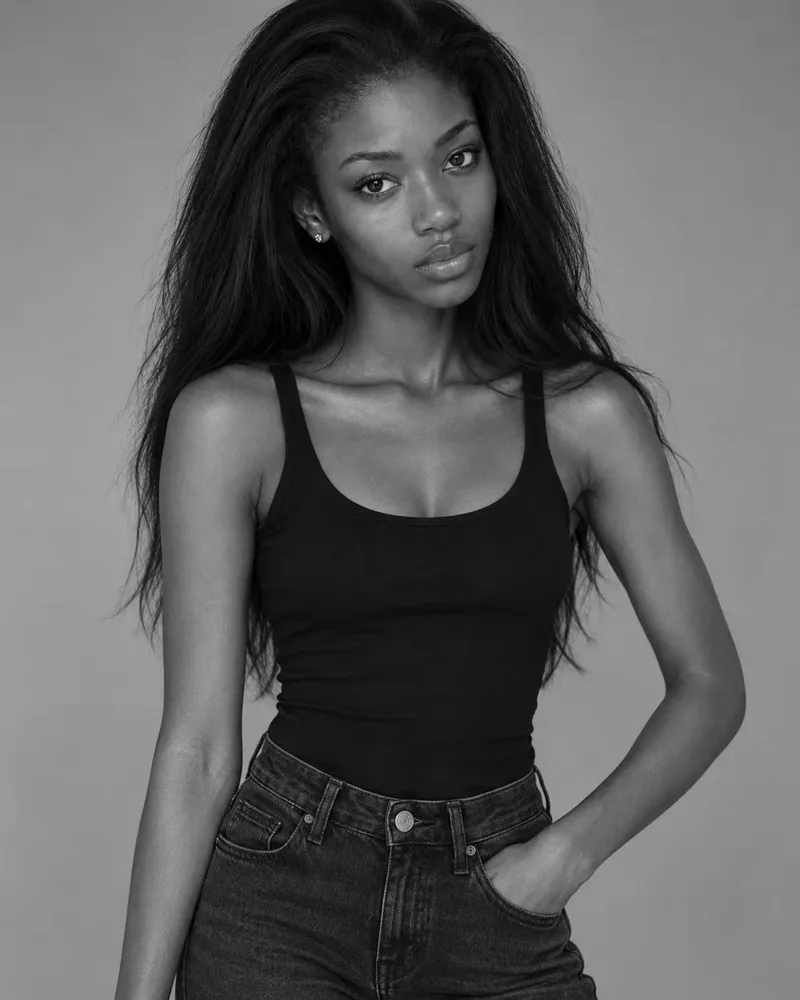
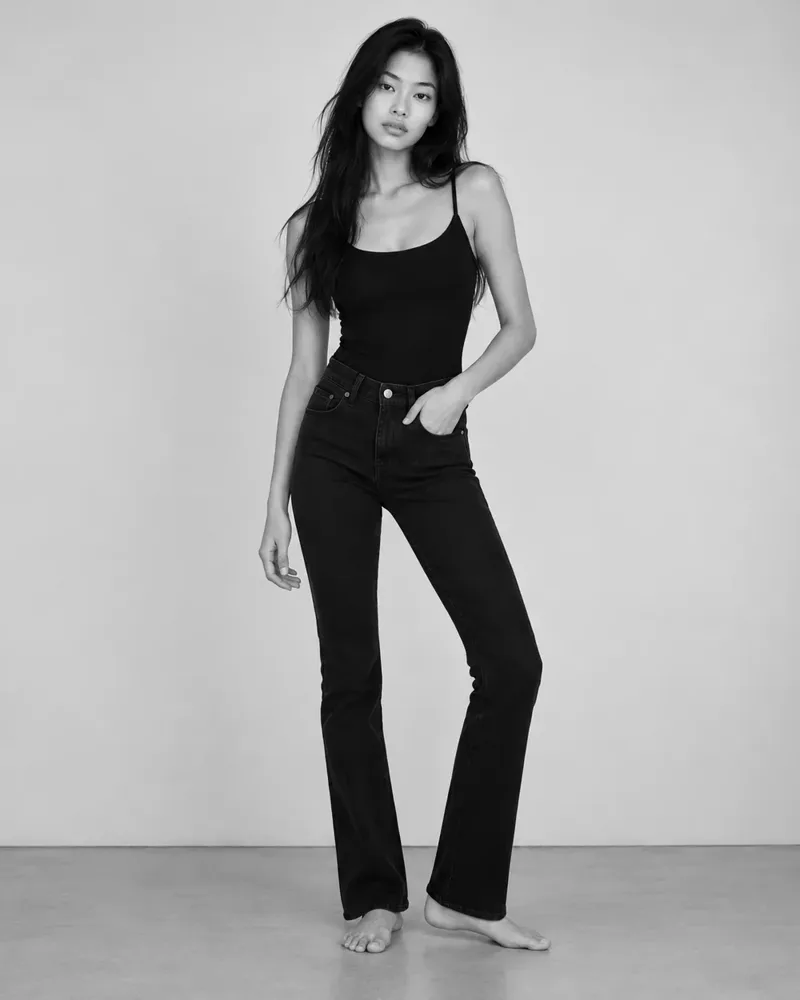
What is a headshot?
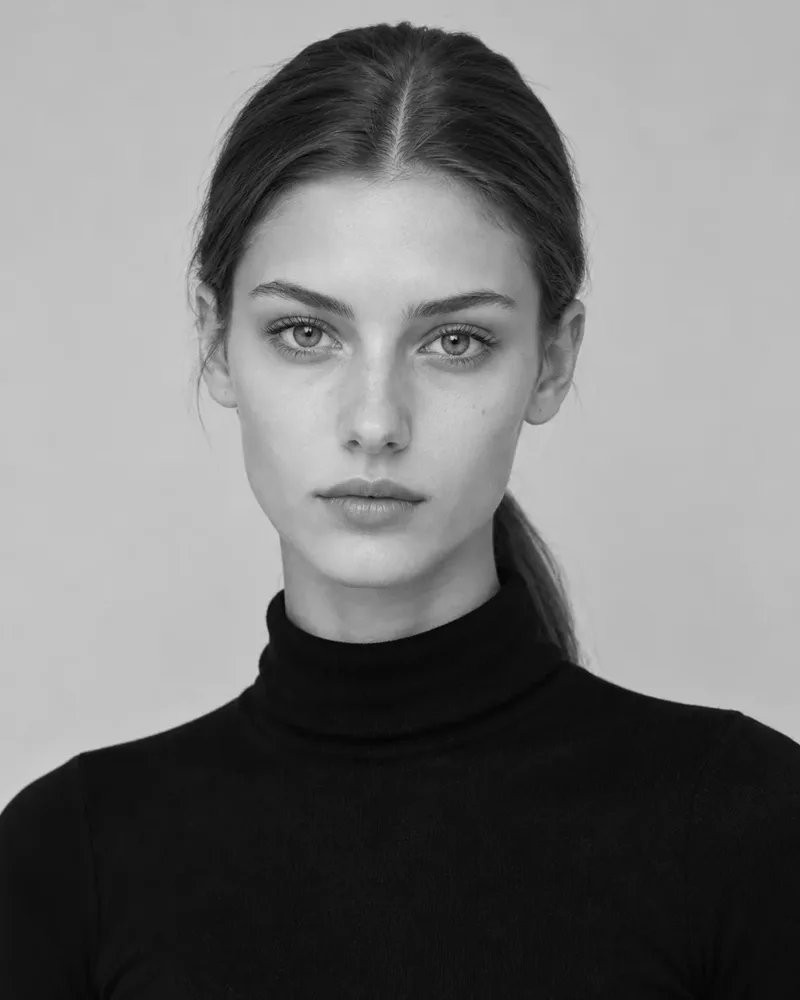
A headshot is one photograph of your face, usually from the shoulders up. It shows your features and your expression clearly. Actors use headshots as their main marketing picture, and many models use one as the lead photo on a comp card.
A headshot does not usually carry measurements or contact details. It is a picture, not a page.
What is a comp card?
A comp card is a one-page summary of a model. It has three to five photos that show range, honest measurements and contact details. A booker can judge your look and your size in a few seconds. For the full definition, read what is a comp card.
Comp card vs headshot: the main differences
- Number of photos. A headshot is one photo. A comp card has several.
- Information. A headshot is only a picture. A comp card also lists height, measurements and how to reach you.
- Purpose. A headshot shows your face. A comp card shows your look, your size and your contact in one place.
- Who asks. Casting directors often ask actors for a headshot, and agencies and clients ask models for a comp card.
- How it is used. A headshot can stand alone. A headshot is usually one of the photos on a comp card.
Which one do you need?
If you want modeling work, a comp card is the more useful of the two, because it answers a booker's questions on one page. A strong headshot is still worth having, because it is the lead photo on your card and the picture many people see first.
If you are an actor or a performer, a headshot is often what is asked for, and a comp card can be a useful extra for modeling and commercial work. Our comp card vs portfolio guide covers how a comp card relates to a longer collection of work.
What to send to an agency
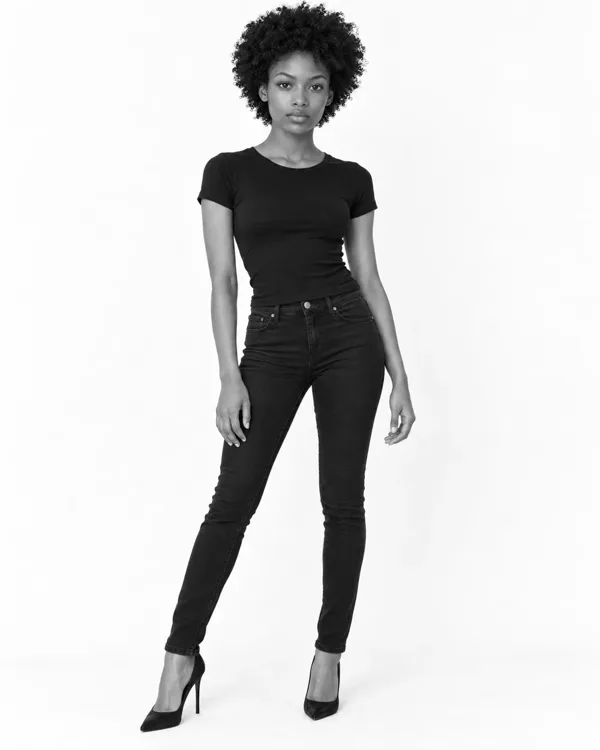
Follow the agency's instructions first, because each one has its own rules. If they do not say, a short message with a link to your digital comp card, plus a clear headshot and a full-length photo, gives them everything at once. For how to word the message, read how to submit to modeling agencies.
When a headshot is enough
A headshot on its own is enough in a few situations. A casting director may ask for one to shortlist actors, a website profile may need a single picture, and an early introduction to an agency can start with one clear photo and a short note. In each case the headshot is doing a first introduction, and a fuller comp card follows if the person wants to see more.
How the two work together
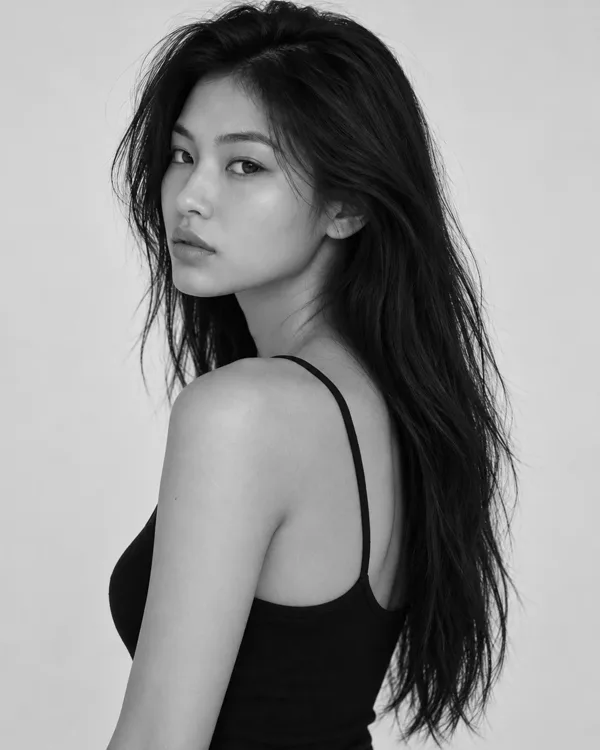
On a comp card, the headshot is usually the lead photo. It sits largest, because the face is what a booker looks at first. The other photos then answer the questions the headshot cannot: how tall you look, how you stand, how you look in profile. Your measurements and contact details finish the job.
This is why it is worth getting the headshot right even if you plan to rely on a comp card. A clear, honest headshot lifts the whole card.
Headshots for models and for actors
The two kinds of headshot are not quite the same. A model's headshot is usually plain and unstyled, with natural light and little retouching, because bookers want to see exactly what you look like. An actor's headshot often shows more expression and personality, because casting directors want to see a performer behind the face.
If you work in both areas, you may want two headshots: a plain one for modeling submissions and a more expressive one for acting. Either can be the lead photo on a comp card.
Mistakes people make
- Sending only a headshot to a modeling agency. A booker cannot judge height or shape from a face, so they will ask for more.
- Using an old headshot. If your hair or look has changed, replace it.
- Over-editing. Heavy smoothing makes a headshot look like someone else, which is a problem at the first meeting.
- Cropping too tight or too loose. Shoulders up is the usual frame.
- Using a group photo or a cropped holiday picture. Take a proper one.
A simple plan for this week
- Take a set of headshots in daylight and choose the best one.
- Take a full-length shot and a profile or three-quarter view.
- Write your measurements, with the units.
- Make your free comp card with all of them.
- Keep the headshot on its own as well, in case someone asks for just that.
For which other photos to add, read comp card photos, and for how many, model comp cards has the full answer.
In short
A headshot is one photo of your face. A comp card is a one-page summary with several photos, your measurements and your contact details. Use a strong headshot as the lead photo, and send the comp card when someone needs to judge fit. You can make your free comp card in a few minutes.
Frequently asked questions
Is a comp card the same as a headshot?
No. A headshot is one photo of your face. A comp card is a page with several photos, your measurements and your contact details, and a headshot is often one of its photos.
Do models need a headshot?
A strong, clear headshot is useful, because it is the lead photo on a comp card and the picture many people see first.
Do I need a comp card if I already have a headshot?
For modeling, yes. A comp card adds the other angles, your measurements and your contact details that a headshot cannot show.
What size is a headshot?
A headshot has no single fixed size, though many are portrait pictures close to a standard print ratio. For a comp card, size matters less than clarity.
Can I make a comp card for free?
Yes. FYND lets you make a comp card free, using your headshot and other photos.