How to Submit to Modeling Agencies: What to Send and What to Skip

A submission is your first impression, and it is read in seconds. Agencies receive far more than they can answer, so the ones they notice are the ones that are clear, complete and in the format they asked for. There is no secret to it. There is only a way of doing it that respects the reader's time.
This guide shows what to send, how to write it and the mistakes that get a submission ignored. If you have not yet taken photos, start with how to take modeling digitals.

Before you send anything
The best thing you can do before you submit is read the agency's own submission page. Almost every agency has one, and it tells you exactly what they want, where to send it and sometimes what they do not want. Following it is the simplest way to stand out.
Pick agencies that fit. Look at the people they represent and ask whether you would sit naturally on that page. Check that they are established, with a real address and a clear way to apply. If you are not sure whether an agency is legitimate, read modeling scams and red flags before you send them anything.
Make a short list, and keep a record of who you have sent what, and when. It saves you from sending the same agency the same photos twice.
What to send
Most agencies ask for the same small set of things.
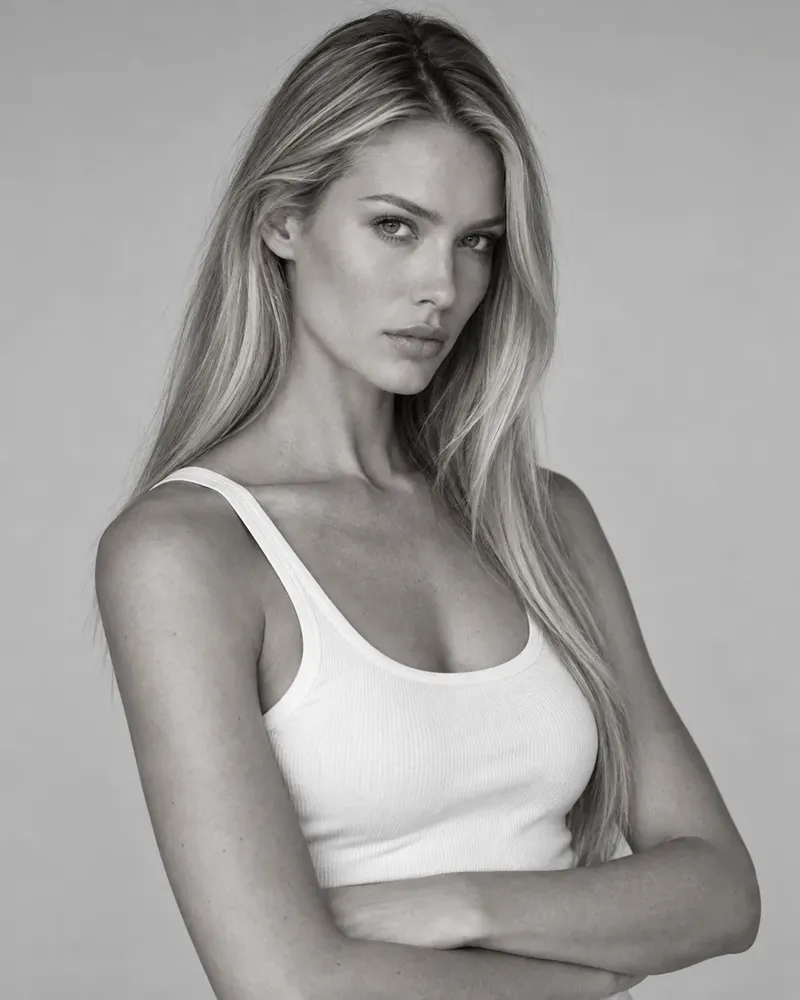
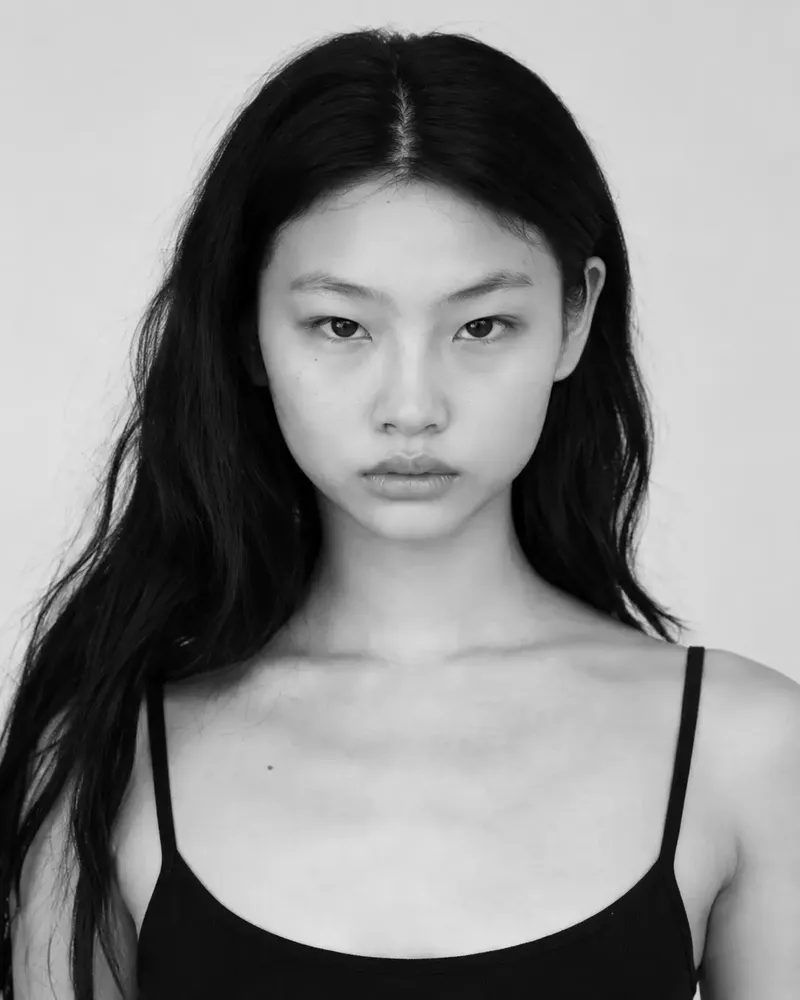
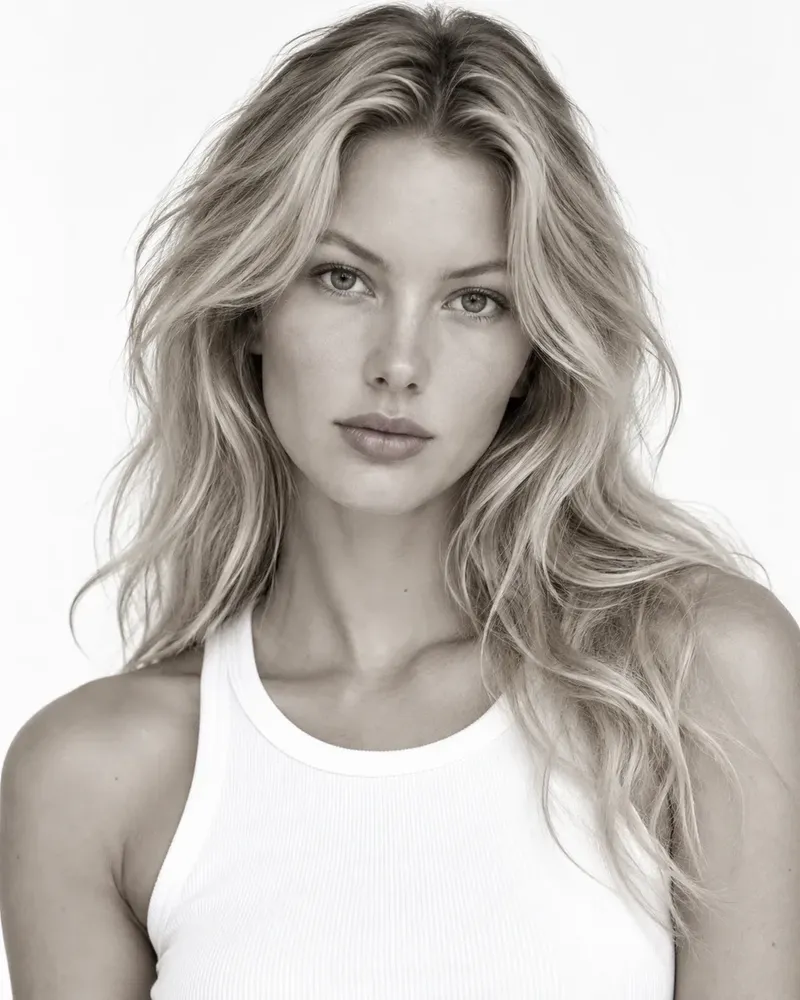
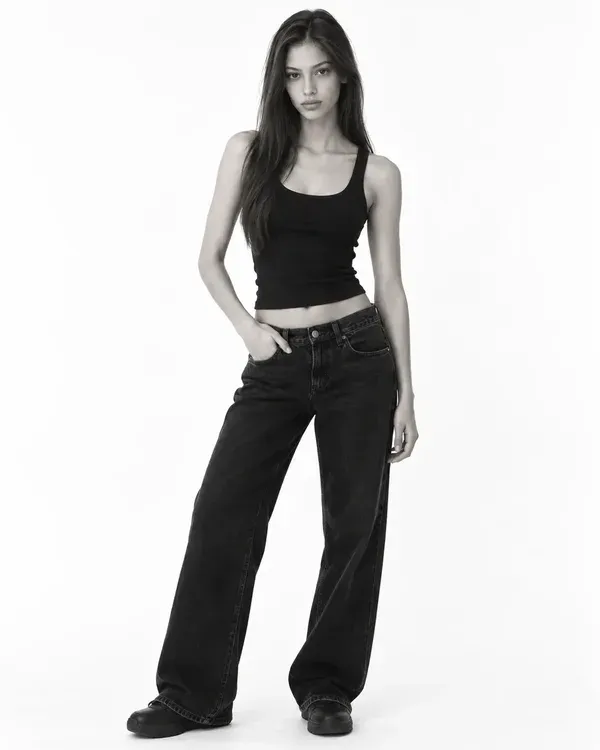
- Digitals. Plain, unretouched photos: a clear face shot, a profile, and full-length front, side and back. Natural light, simple fitted clothes and little or no makeup.
- Your height and measurements. In the units the agency uses, accurately. See model measurements, explained.
- Your age or date of birth. Agencies need to confirm that you are old enough to work with them.
- Your location. City and country, so they know whether you can attend a casting.
- Contact details. An email address you check, and a phone number if they ask for one.
A comp card or a portfolio is usually optional at this stage. If you have a clean card, you can link to it, as a tidy summary. Do not send it instead of the photos the agency asked for. For how the three differ, see comp card vs portfolio.
How to write the email
If the agency takes submissions by email, keep the message short. The reader wants the facts and the photos, not an introduction to your hopes.
A simple structure works:
> Subject: New submission, your name, city > > Hello, my name is Alex Morgan. I am 21, based in Manchester, and I would like to be considered for representation. My height is 178 cm. My digitals are attached, and my comp card is linked below. Thank you for your time.
Then add your measurements and your contact details underneath, and nothing else. Use your real name, write in plain language and check for typing mistakes. One short paragraph is enough.
Put the key facts in the subject line as well, if the agency allows it. A clear subject helps your message reach the person who reads submissions.
Using a submission form
Many agencies use a form instead of email. A form is easier for them to sort, so fill every field they ask for, and upload photos in the format they accept.
If the form has a field for a link, use it for your comp card or social profile. If there is a message box, keep it short. Read the form once more before you press send, because most do not let you edit after you submit.
Mistakes that get submissions ignored
A few errors account for most unread submissions.
- Sending the wrong kind of photo. Heavily edited, filtered or heavily styled photos when the agency asked for plain digitals.
- Missing information. No height, no location, or no contact details.
- Sending to many agencies in one email. Each agency should get its own message. A visible list of other recipients tells the reader nobody chose them.
- Attaching huge files. Large attachments can bounce or take a long time to open. Keep images a reasonable size, or link to them.
- Writing a long story. Nobody reads a long message in a busy inbox.
- Ignoring the rules. If an agency says it does not take email submissions, an email will not be read.
- Pressing for a reply. Writing again a few days later makes an unfavourable impression.
Photos: formats, size and links
Send photos in common formats, such as JPEG, and keep each file a manageable size. A few images at moderate size are better than a large pile of heavy ones. If a form or an email limits the total size, follow it.
Attaching photos is the safest approach, because it removes a step for the reader. If you link to them instead, make sure the link works without a login, and does not expire. Test it by opening it in a private browser window.
Do not use filters, beauty modes or heavy retouching. The photo exists to show what you look like, and agencies can tell.
How many agencies, and how often
Apply to several agencies at the same time, because replies are slow and many are silent. Five to ten well-chosen agencies is a sensible number to begin with, as long as each submission is tailored to its rules.
Do not re-send the same photos to the same agency every few weeks. If you have not heard back after a couple of months, and you have new, better photos, a fresh submission is fine. Otherwise, move on to other agencies.
What to do while you wait
The waiting is the hardest part, and the most useful thing you can do is carry on.
- Keep a record. Note the date, the agency and what you sent.
- Keep your photos fresh. Retake them if your look changes.
- Build a simple comp card so that you are ready if someone asks. See how to make a comp card.
- Apply elsewhere. Silence from one agency tells you nothing about another.
- Do not chase. If an agency is interested, it will contact you.
If you hear back and are invited to meet, read how to get signed by a modeling agency to prepare.
Protect yourself when you submit
Submitting means giving strangers some personal information, so do it carefully.
- Use the agency's official site. Find the submission page yourself instead of following a link in a message.
- Never pay a submission fee. Legitimate agencies earn commission. A charge to be considered is a warning sign.
- Share only what is needed. Your measurements, age, location and an email address are enough. Do not give your home address or any identification.
- Be cautious of unsolicited offers. If someone contacts you first and asks for money or private photos, stop.
- If you are under 18, involve a parent or guardian. FYND is for people who are 18 or older.
A good submission is short, complete and in the format the agency asked for: clear digitals, accurate measurements and a way to contact you. Read each agency's page, keep a record, avoid anyone who asks for money and keep going while you wait. To have a tidy page to link to, create your free comp card.
To see everything FYND offers talent, visit the talent features page.
Frequently asked questions
How long should I wait for a reply?
Allow a few weeks. Many agencies reply only to people they want to see, so no answer often means no. If you have heard nothing after a month or two, try other agencies.
Should I follow up on a submission?
Usually not. A short polite follow-up after a long wait is fine, but repeated messages tend to hurt. If an agency is interested, it will reach out.
Can I email several agencies at once?
Send each one a separate message. Do not copy several agencies into the same email, and do not use a template that still names the wrong agency.
Do agencies accept submissions through Instagram?
Some scouts look at Instagram, and some agencies say they accept messages there. The official submission page is still the safest route, because it tells you exactly what they want.
Do I need a comp card to submit?
No. Most agencies want digitals first. A comp card is a helpful extra, and it gives you something tidy to link to.