Commercial modeling
Commercial modeling sells products and services to a wide audience. Think of the people in adverts for food, banking, travel, health and home goods. Clients want someone the customer can see themselves in, so the look is relatable, warm and natural. A very wide range of ages, sizes and appearances works in commercial modeling.
What it asks of you: a friendly, believable presence, the ability to act out a simple moment (laughing over a meal, using a phone) and patience on long days. Your comp card should show a clear smile, a clean headshot and a few natural lifestyle photos.
Editorial and fashion modeling
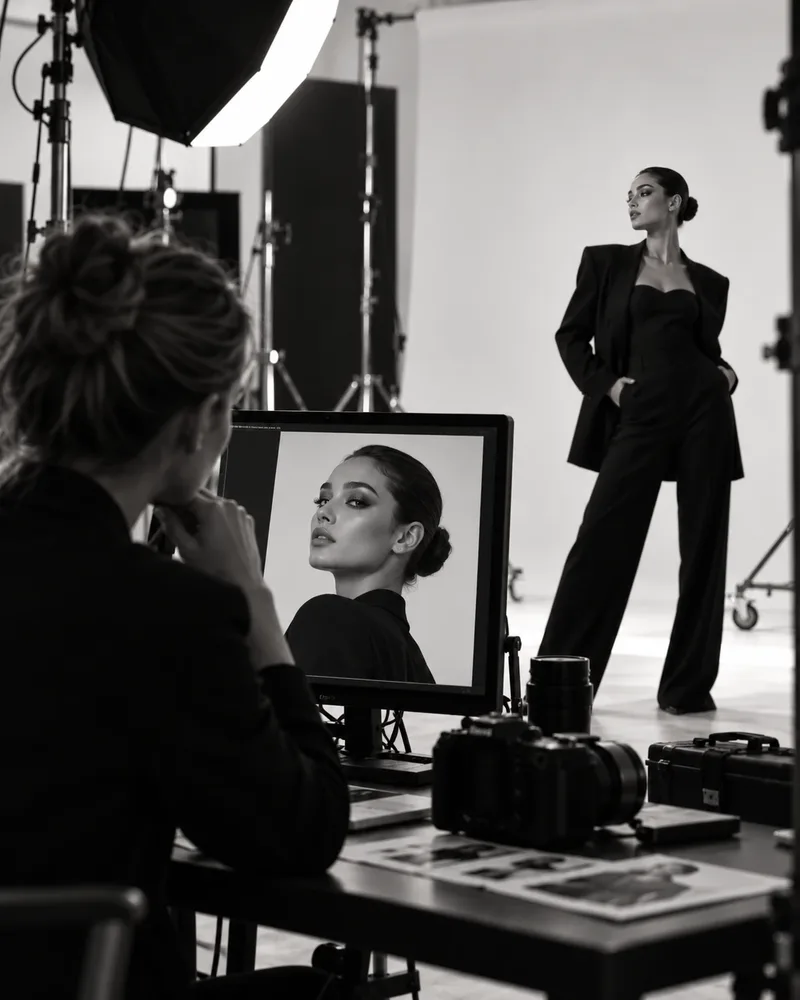
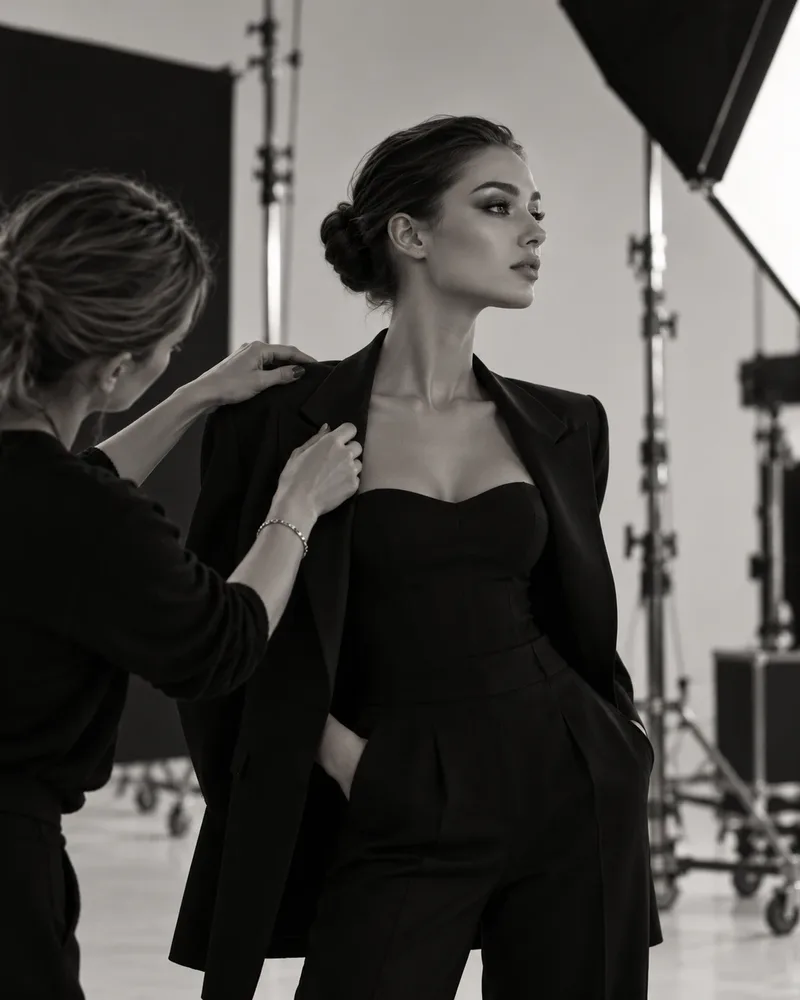
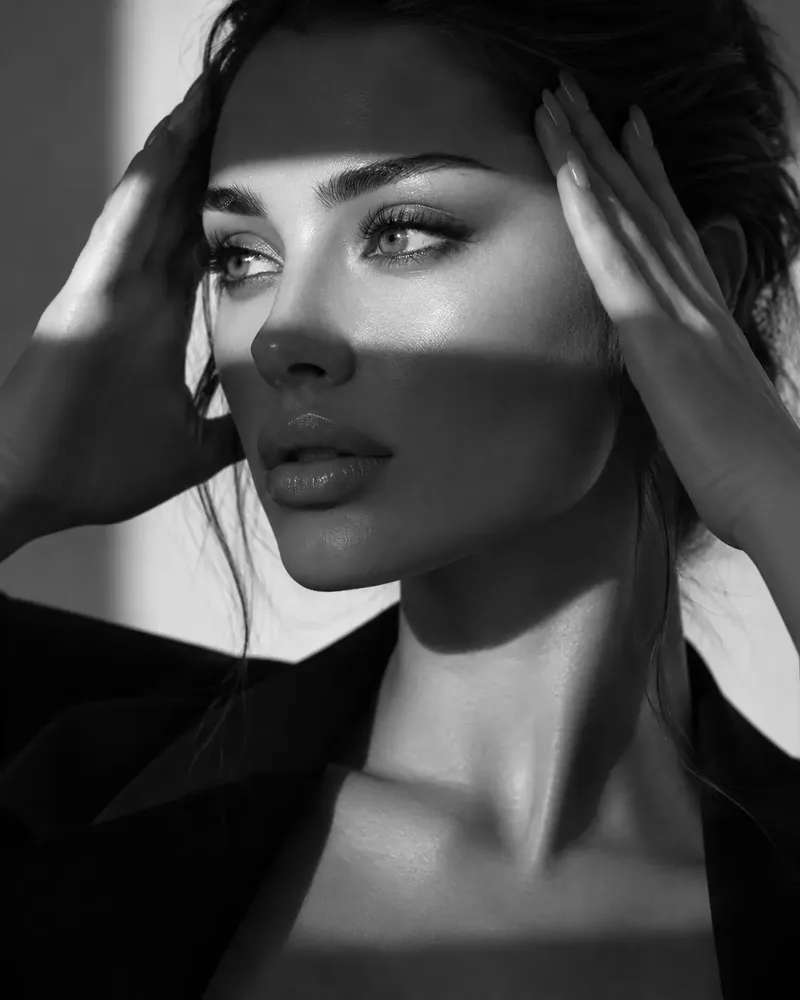
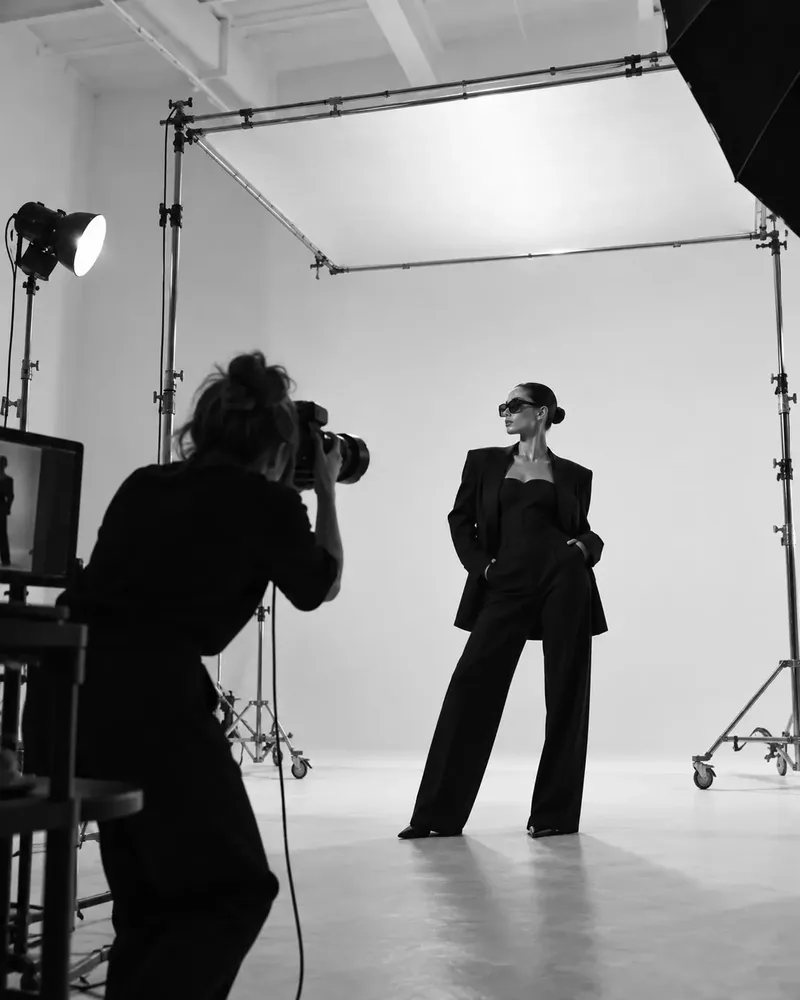
Editorial work appears in magazines and online fashion publications. Fashion work is shot for brands and campaigns. Both usually want a strong, distinctive look and the ability to hold an idea: a mood, a character, a story told through a pose.
What it asks of you: confident posing, comfort with unusual clothes and settings, and a willingness to take direction from a photographer, stylist and art director at the same time. Agencies that represent this work often have specific size requirements, so check model measurements before you decide it is for you.
Runway modeling
Runway models walk in fashion shows. The work is physical and quick: clothes change fast, fittings are long, and a walk has to be clean and consistent. Runway usually has the most defined requirements for height and proportions, because designers build garments for a particular fit.
What it asks of you: a controlled, repeatable walk, good balance in high shoes, and calm under pressure backstage. If runway interests you, practise walking in front of a mirror and film yourself.
Fitness and activewear modeling
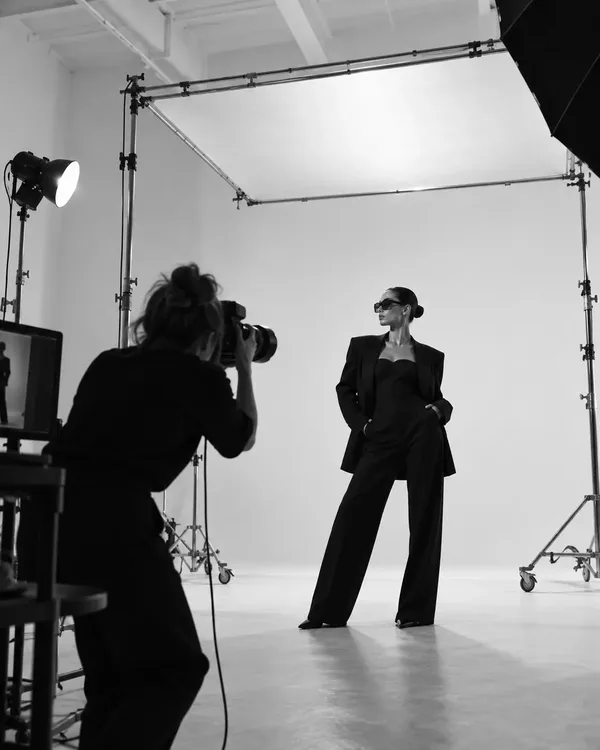
Fitness and activewear models appear in sportswear, gym and wellness campaigns. Clients look for people who look strong, healthy and comfortable in movement, and who can really do the activity shown.
What it asks of you: genuine fitness or sport skills, safe and honest habits, and photos that show you in action as well as standing still.
Parts modeling
Parts models are booked for a single body part: hands, feet, hair, lips, eyes or legs. A product shot of a ring or a nail polish often needs only hands. Clients look for clean skin, shape and the ability to hold very still and repeat a movement exactly.
What it asks of you: care of the part you offer, a steady hand and a lot of patience between takes.
Other kinds of modeling
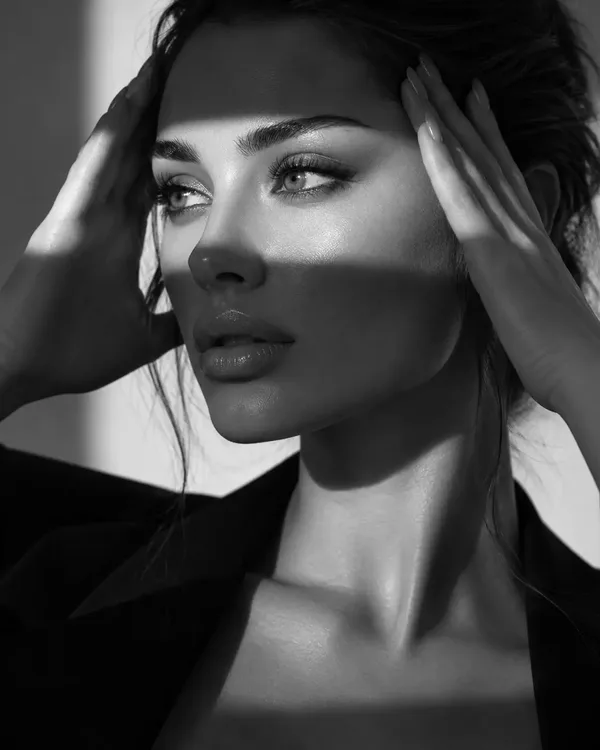
There are more niches around these main types. Fit modeling helps designers check how a garment sits on a body. Catalogue and e-commerce modeling shows clothes clearly for online shops. Promotional and event modeling puts people in front of customers for a brand. Each has its own rules, and some pay and last longer than the glossy work people picture first.
How to find the type that fits you
- Look at your features and build honestly. Agencies and clients book for a specific look, so a quick self-check saves time.
- Ask friends what they notice first in your photos. Is it your smile, your eyes, your height, your hands?
- Look at who is booked. Browse brands and campaigns you like and notice the people in them.
- Choose one or two types to aim at. You can widen later; a focused first card is clearer.
- Stay open to what agencies suggest. They know what the market wants right now, and they often see a fit you missed.
The Academy lessons on strengths and direction walk through this with a short exercise you can do in a few minutes.
Match your photos to the type
Your photos should show the type you want. A relatable smiling shot suits commercial work. A strong, still portrait suits editorial and fashion. A full-length photo with a clear stance helps runway. Start with clean digitals, then add a few shots for your chosen type, as described in comp card photos. Make a free comp card to put them in one place.
In short
There is no single best type of modeling, only the type that fits you. Pick one or two to aim at, shoot photos that show them, and keep learning as you go. The free FYND Academy has lessons that take you through each step.
Frequently asked questions
What are the main types of modeling?
The main types are commercial, editorial and fashion, runway, fitness, and parts modeling. There are also fit, catalogue and promotional models, among others.
Which type of modeling is easiest to start with?
Commercial modeling usually has the widest range of looks and the most work for new people, because clients want relatable faces. It still takes preparation and professionalism, like any other kind.
Can I do more than one type of modeling?
Yes. Many models work across types, especially early on. Focus your first comp card on the one or two types you most want, and add others as you gain experience.
Do I need to meet height requirements?
Some types, especially runway, have specific requirements, while commercial and parts modeling are much more flexible. Ask an agency what it needs rather than guessing.
How do I find out which type fits me?
Look honestly at your features, ask people what they notice first in your photos, study the campaigns you admire, and talk to agencies. An agency's feedback is the most useful guide you can get, and it is free.