Who will be on set
Every shoot is different, but you will often meet:
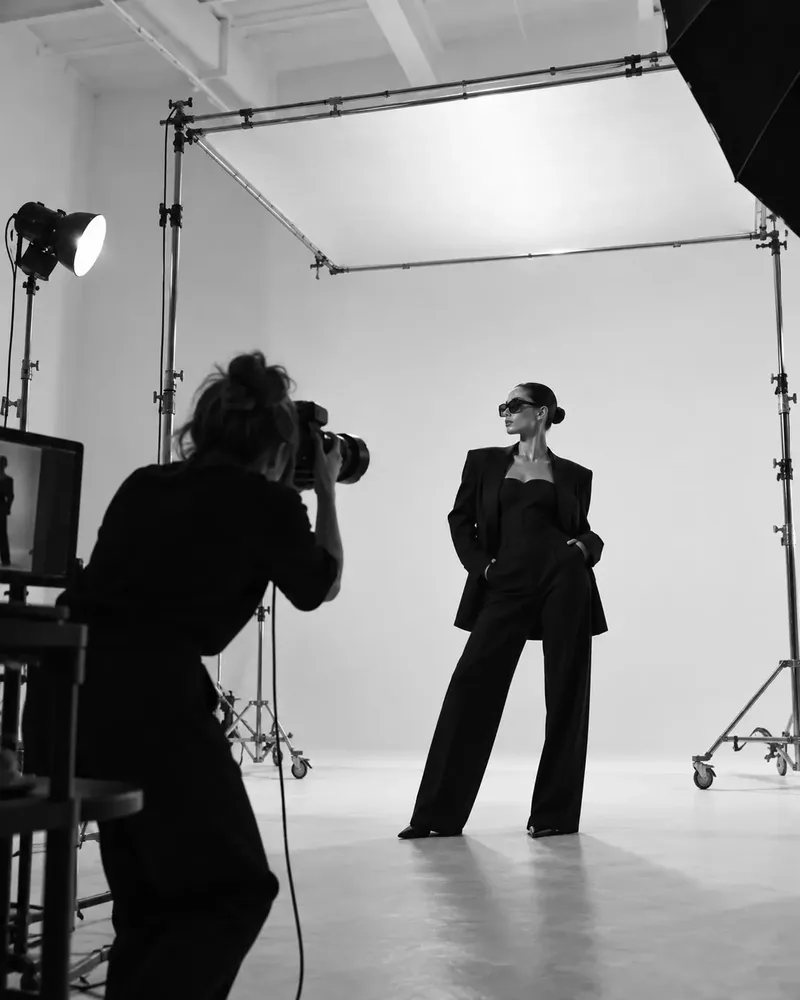
- The photographer, who takes the pictures and directs the shoot.
- A stylist, who chooses and fits the clothes.
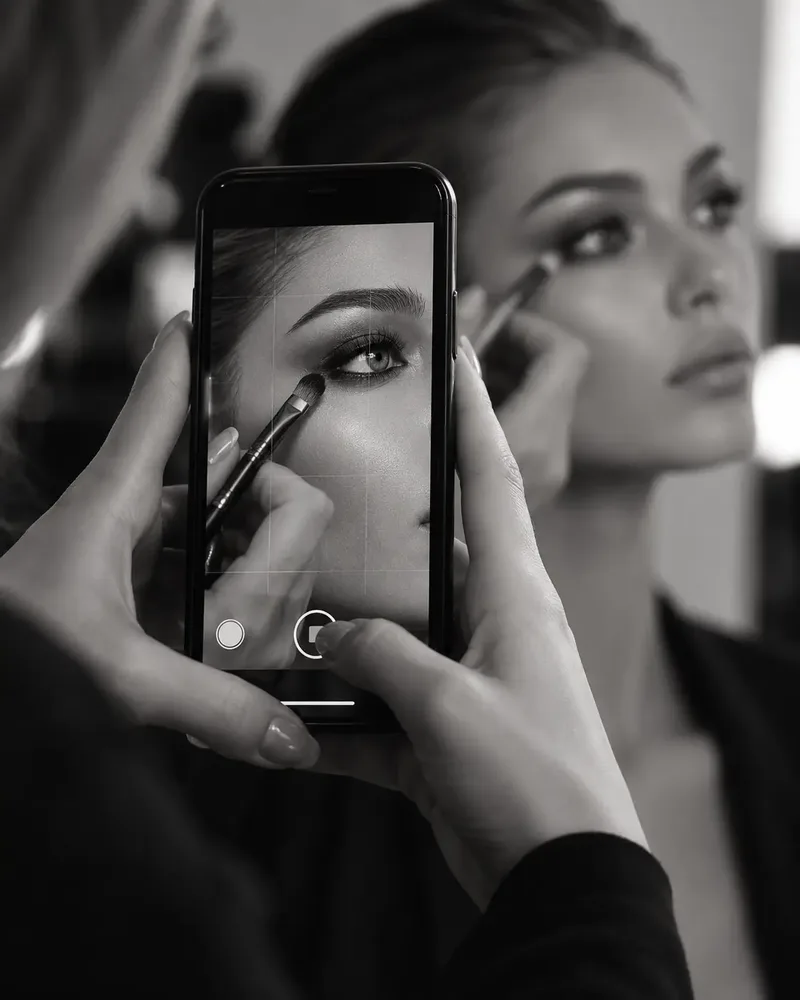
- A hair and makeup artist, who prepares you for camera. See hair and makeup for a photo shoot.
- An assistant, who helps with lights, equipment and the schedule.
- A client or art director, if the shoot is for a brand or a magazine.
Smaller shoots may have only a photographer and one or two helpers. Larger ones can have many more people. Whoever is there, treat everyone politely.
How a shoot day usually runs
- Arrival. You arrive at the time you were given, check in and meet the team. Being early is better than being on time.
- Hair and makeup. This can take a while. It is a good moment to chat, ask what look is planned and relax.
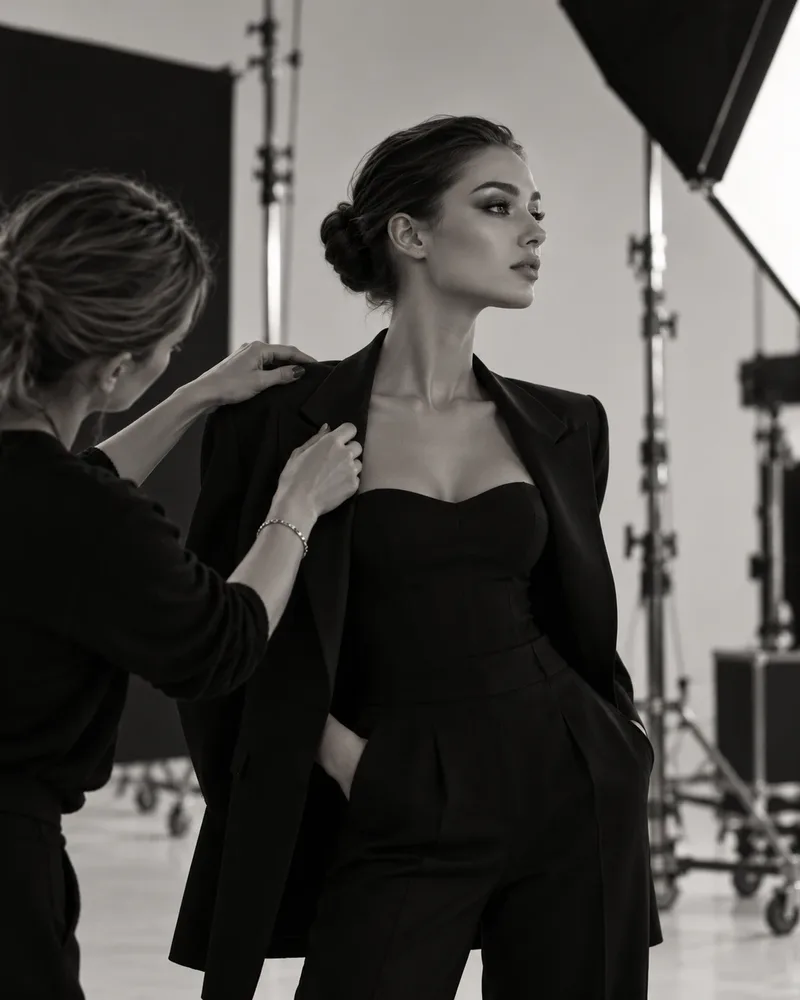
- Wardrobe. The stylist fits the first outfit and may pin or adjust it. Stand still and tell them if something is uncomfortable.
- Shooting. The photographer directs poses and expressions. Lighting and set changes mean there are pauses, so patience matters.
- Changes and breaks. You will change outfits, and the team will often reset the lights and the set between looks.
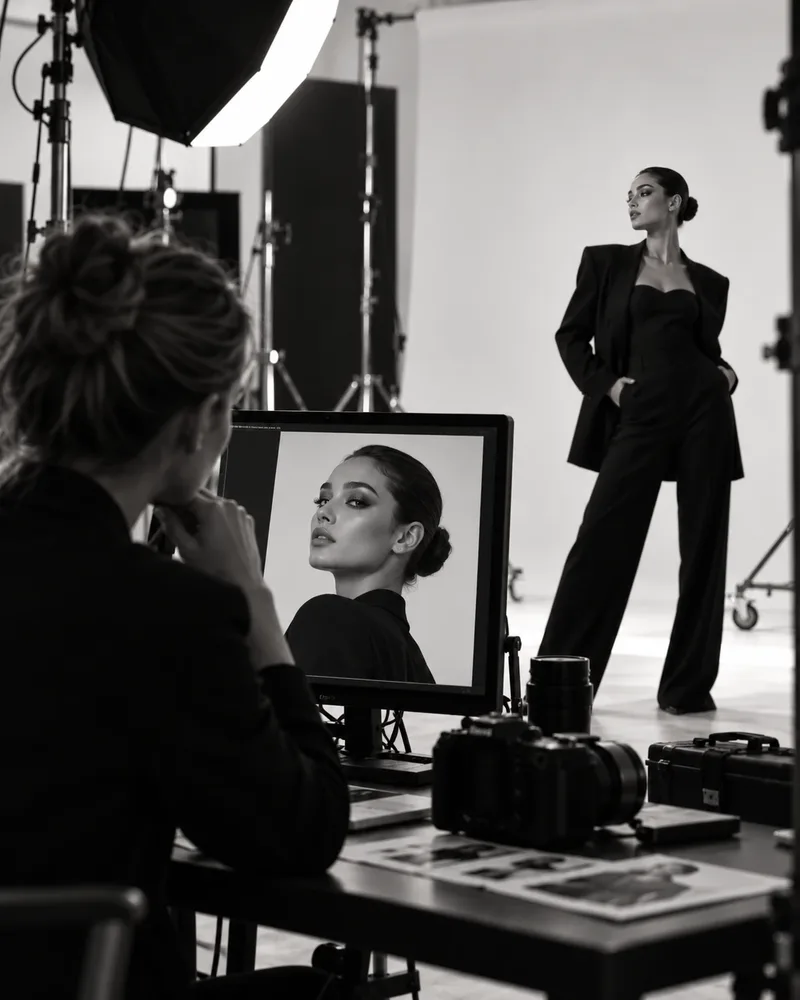
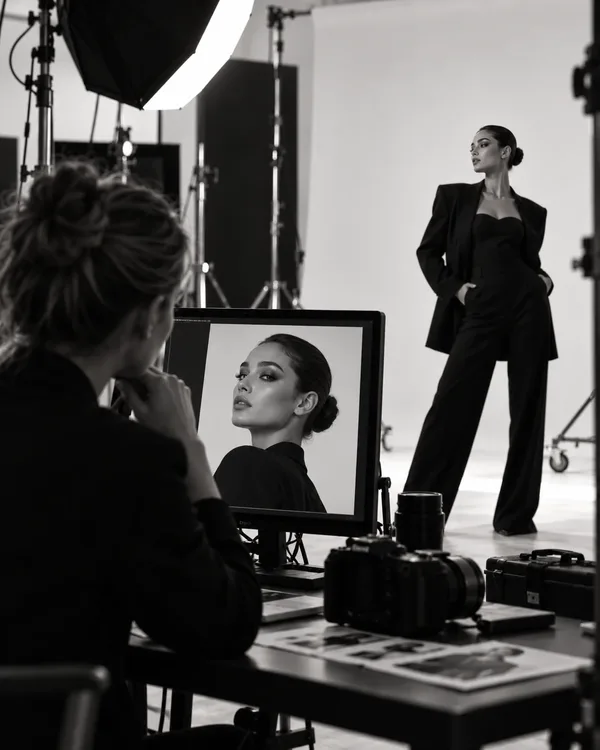
- Reviewing pictures. The photographer may show a few frames on a monitor. This helps everyone check the look.
- Wrap. The photographer calls the end of the shoot. Thank the team and check any details about the next steps.
Time passes differently on set. A lot of a shoot day is waiting between moments of work, so bring something to read or listen to.
Kinds of shoots you may be booked for
Not every shoot looks the same. A test shoot is a collaboration between a photographer and a model to build portfolios. A commercial shoot is for a client and usually has a clear brief, a schedule and a larger team. An editorial shoot is for a magazine or a fashion story and often has a stylist and a creative direction. A catalogue or e-commerce shoot is fast and repetitive, with many outfits shown simply and clearly. Knowing which kind you are walking into helps you set your expectations about the pace, the team and what you will receive afterwards.
How to prepare the day before
- Get a good night's sleep and drink water. You will look and feel better on camera.
- Check the call sheet. Know the time, the address, who to contact and what to bring.
- Pack what you were asked to bring. This might be basic underwear in neutral tones, shoes, or specific items.
- Keep your skin and hair simple. Do not try a new treatment or colour just before a shoot.
- Plan your trip to the studio. Leave time for delays.
What to bring
Bring your phone and charger, water, a snack, a notebook, any items listed on the call sheet and your ID if it is needed. Keep valuables to a minimum.
How to take direction
Photographers give direction quickly. Listen, try what is asked and adjust. If you do not understand, ask a short question, such as whether you should turn more or only move your chin. A good photographer would rather you ask than guess. If a pose does not feel comfortable or safe, say so politely.
Practise at home so poses feel natural. The lesson on posing for beginners helps with this.
Looking after yourself on set
- You can say no. If you are asked to do something that makes you uncomfortable, you can decline. A professional team respects that.
- Know who to talk to. If something feels wrong, talk to the person in charge or your agency.
- Be careful with unpaid or unclear shoots. Check who is running the shoot, what it is for and what you will receive. Modeling scams lists the warning signs.
Common first-timer mistakes
- Arriving without reading the call sheet. You miss a detail and make the team wait.
- Trying to impress by doing too much. Calm and clear beats frantic energy.
- Staying silent when something is wrong. Speak up early and politely.
- Using your phone during setups. It breaks your focus and the team's.
- Forgetting to ask about image use. Always ask what you may share and when.
Everyone makes a few mistakes on their first shoots. What matters is that you notice them, adjust and keep learning.
After the shoot
Ask when to expect the pictures and what you may use them for. Some shoots are for a client, and the photos may not be yours to post. If it is a test shoot, agree in advance how you can use the images. Then pick the best frames for your comp card and portfolio.
In short
A shoot day is mostly preparation, patience and listening. Arrive early, be kind to the team and take direction well, and you will get through it with confidence. For a step-by-step guide to the basics, try the free FYND Academy lessons.
Frequently asked questions
What should I wear to a photo shoot?
Wear what the call sheet says. If it says nothing, wear simple, comfortable clothes that are easy to change in and out of, and bring neutral underwear.
How long does a photo shoot take?
It depends on the job. A simple test shoot may take a few hours. A larger campaign can take a full day or more, including hair, makeup and wardrobe changes.
Will I be told how to pose?
Usually yes. A photographer or art director gives direction, and you adjust. It helps to know a few basic poses, but you are not expected to know everything.
Can I say no during a shoot?
Yes. If you are uncomfortable, you can say so. A professional team respects your boundaries.
Should I pay for a photo shoot?
Be careful. A shoot you pay for in return for a promise of representation is a common scam pattern. A real agency does not charge to consider you.