Be on time, and prepared
Lateness costs everyone. A shoot day is planned in blocks, and the team often waits on you. Aim to arrive early. Read the call sheet the day before so you know the time, the place, whom to contact and what to bring. Pack your bag the night before and plan how you will get there, with time to spare.
Be kind to everyone
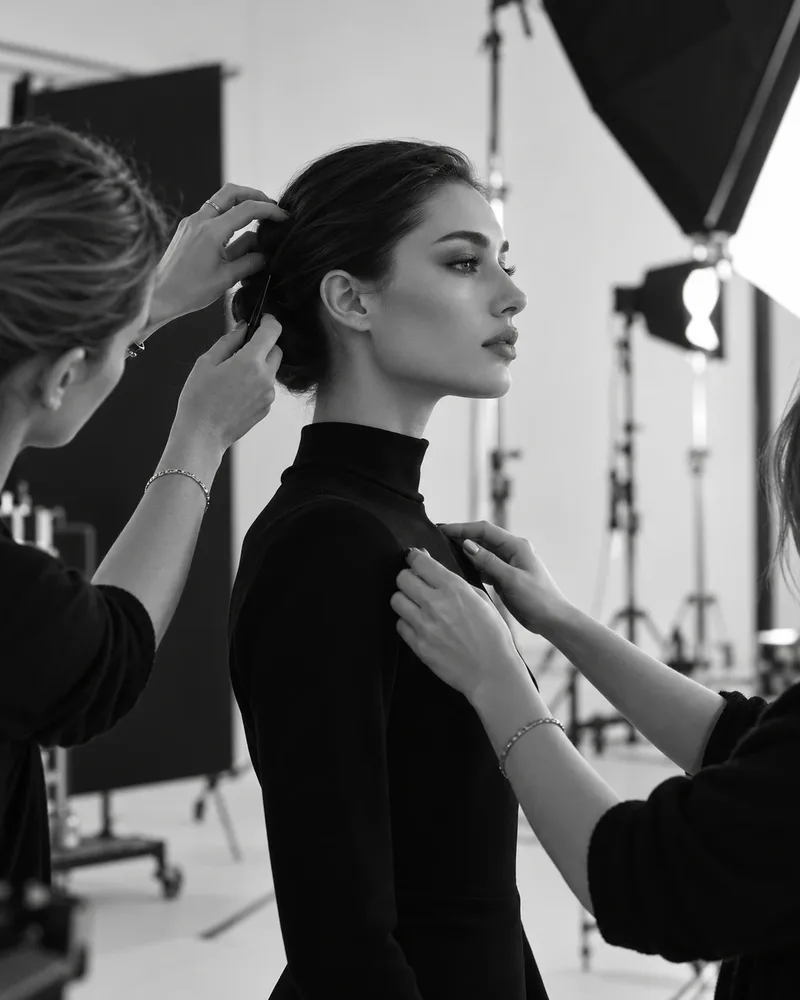
The photographer is not the only person who matters. Stylists, assistants, hair and makeup artists, drivers and the client all talk to each other. Say hello, learn names, say thank you and treat everyone with the same courtesy. People notice how you treat those who cannot do anything for you.
Take direction well
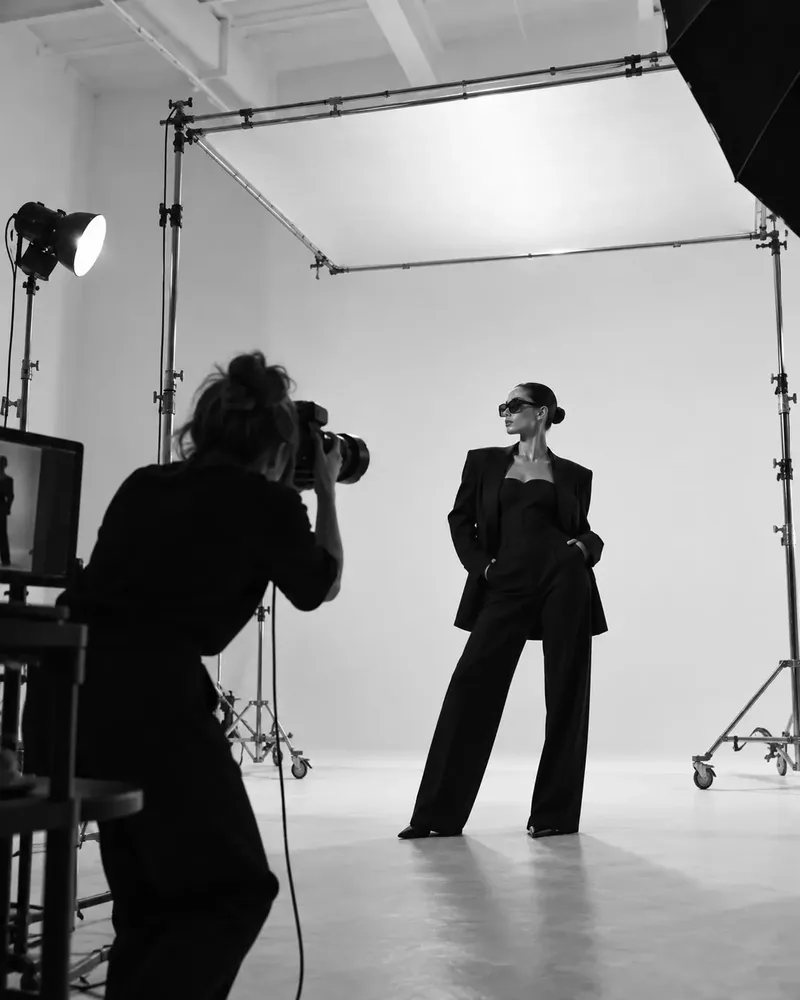
You will be asked to try things quickly. Listen, try it, and adjust. If you do not understand, ask a short, clear question. Do not argue about every choice. If something is unsafe or makes you uncomfortable, say so calmly. A good team respects that.
Keep your phone in check
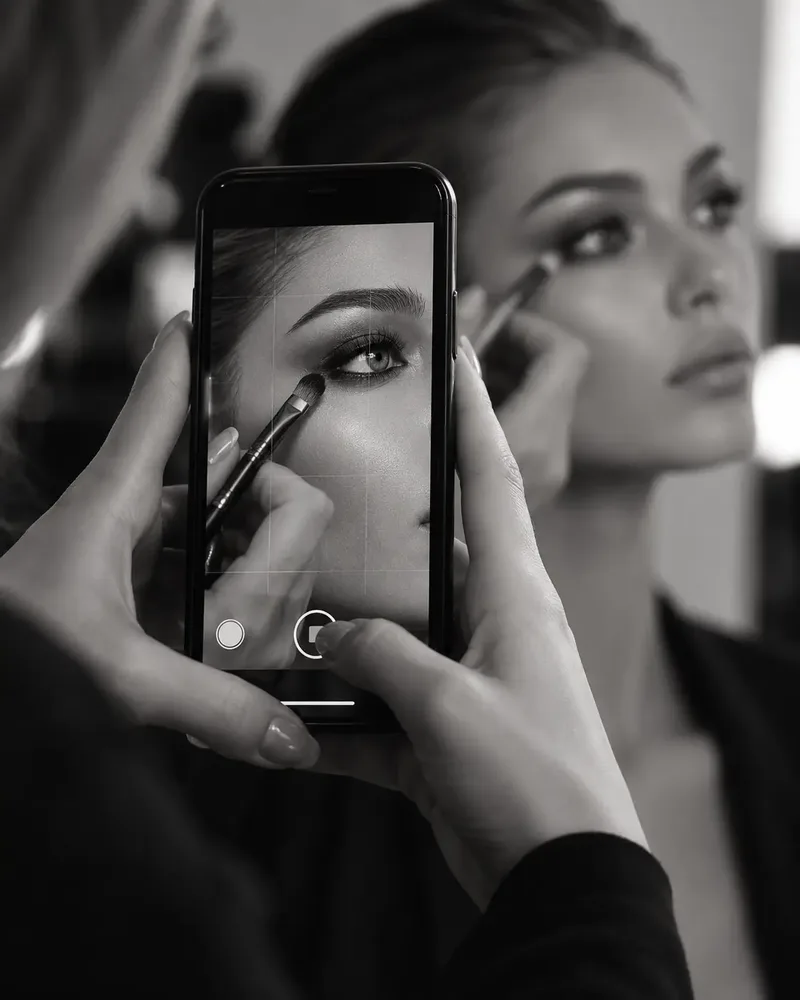
Your phone is for the call sheet, not for scrolling during a shoot. Keep it away while you are working. Do not photograph or film the set, the client's products or the other people there without permission. Many shoots involve unreleased work, and posting it early can cause problems.
Respect the work and the clothes
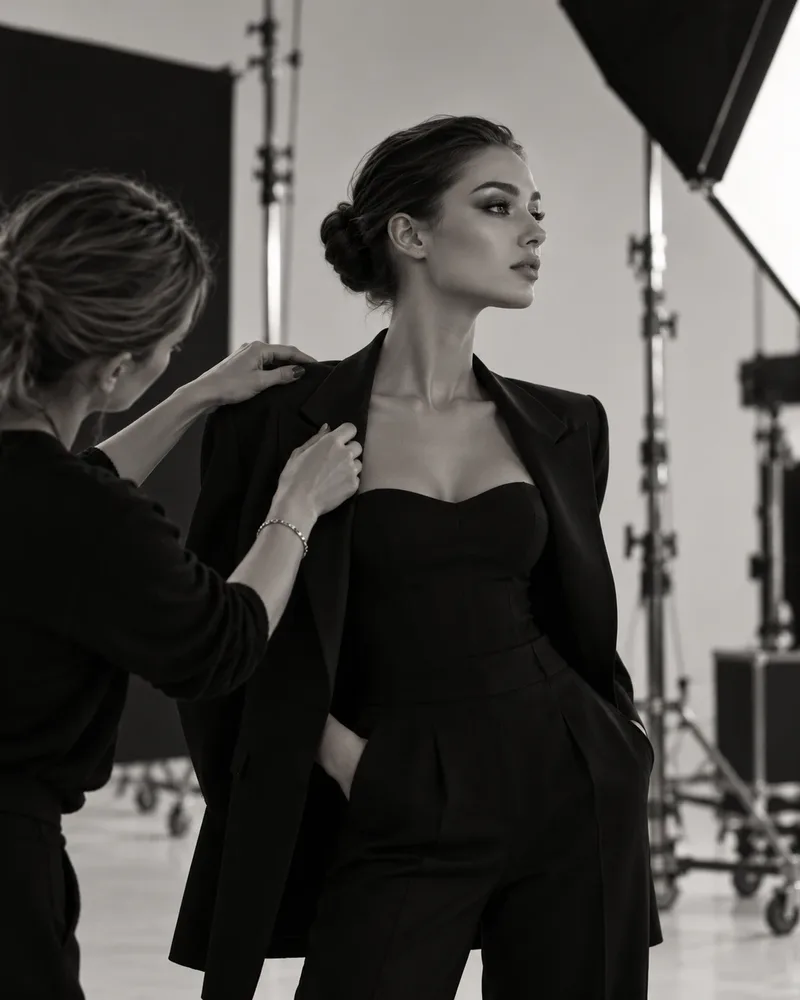
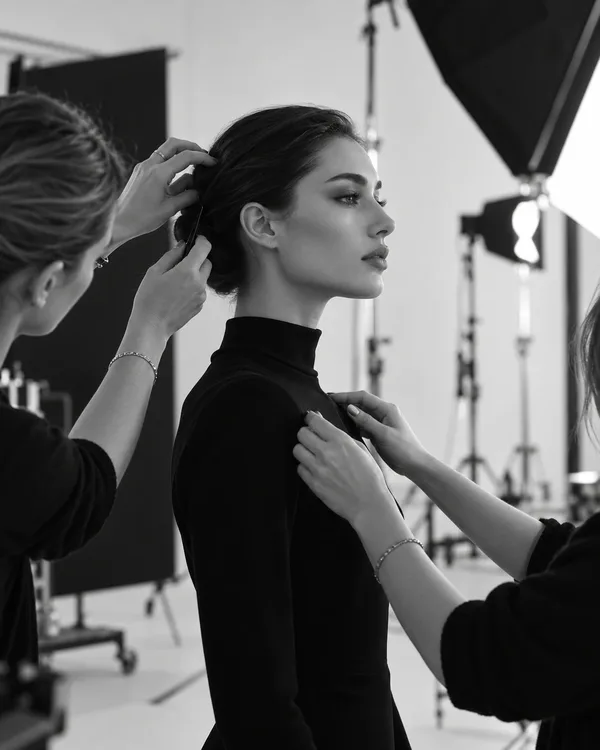
Handle garments carefully. Do not sit in delicate outfits unless told you can. Keep food and drink away from clothes and sets, and tell the stylist if something is damaged. Wear what you are asked to wear and keep your own items tidy.
Communicate clearly
If you are running late, feel unwell or cannot do something that was agreed, tell the right person as early as possible. Short, honest messages are better than silence. Your agency, if you have one, can help with difficult conversations.
Know your boundaries
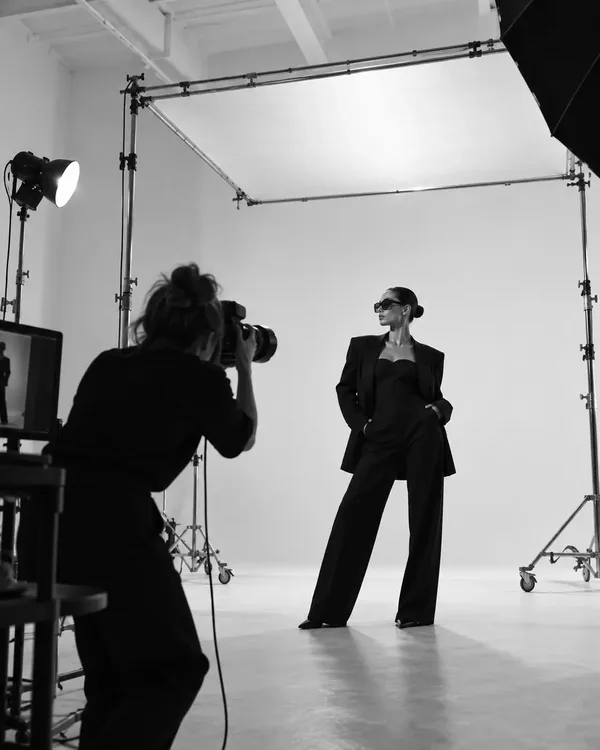
Professional does not mean saying yes to everything. You can decline anything that is unsafe, not part of what you agreed or makes you uncomfortable. Check the details before the shoot: what you will wear, what the images are for and what you will be paid. If something feels wrong, talk to the person in charge or your agency. Modeling scams lists warning signs to watch for.
Dress, grooming and hygiene
Arrive clean, fresh and ready to be styled. Wear what you were asked to wear, and bring basics in neutral colours in case the team needs them. Keep strong perfume to a minimum, because the set can be small and close. Tidy nails, clean hair and fresh breath are quiet signs of respect for the people working near you.
Working with a client or art director
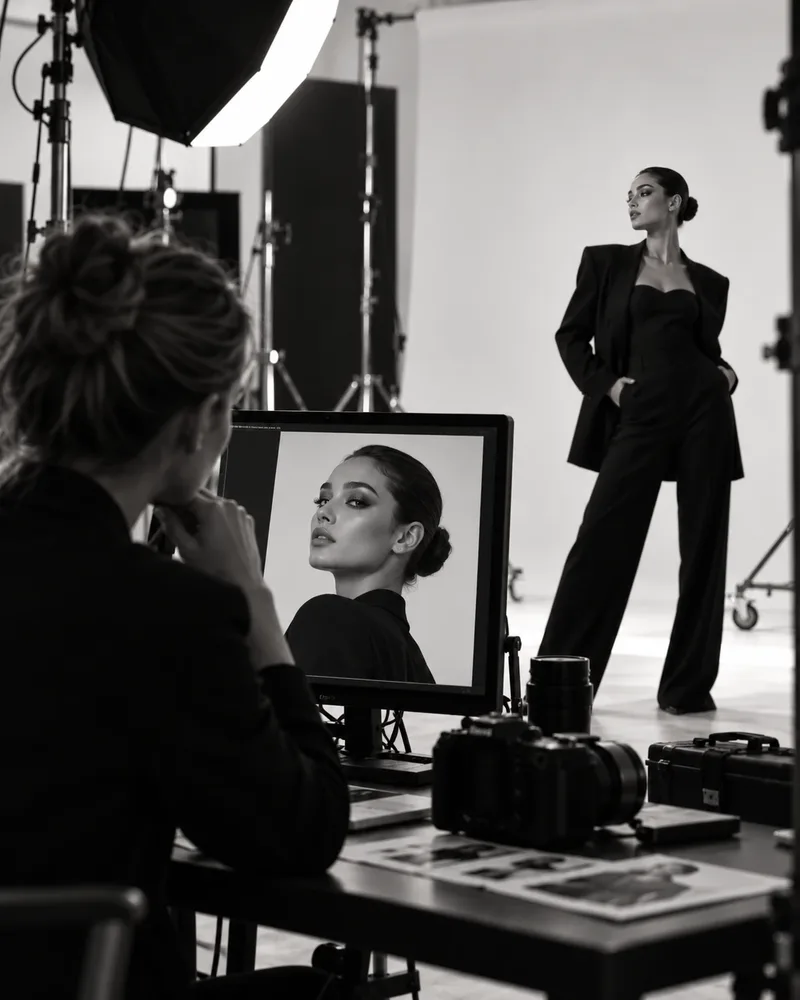
When a client is on set, they have the final say on the look. Smile, greet them and follow their direction as it comes through the photographer. Do not ask a client for favours or contact details on the day. If you have a question about the images or the schedule, ask the person who booked you.
Social media and confidentiality
Do not post behind-the-scenes content or images before you are allowed to. Ask what you may share and when. Do not talk badly about clients, photographers or other models online.
Follow up
Thank the team before you leave. Afterwards, a short message to your agency or the photographer is a nice touch. Ask when to expect the pictures and what you may use them for. If it is a test shoot, choose your best frames for your comp card.
On a test shoot
Test shoots, where you and a photographer work together to build your portfolios, follow the same rules as paid jobs. Agree in advance what the pictures are for, when you will receive them and how you can use them. Bring any outfits or props you promised, and keep to the schedule. A friendly, organised test shoot often leads to further work and good referrals.
When something goes wrong
Even well planned days hit problems: a delayed train, a missing garment, a lighting failure. Stay calm, offer to help if you can, and do not blame others. If you made the mistake, say so briefly and fix it. People remember how you behave when things go wrong more than the problem itself.
Respect for others' space and bodies
Always ask before you touch props, equipment or other people's belongings. Do not comment on another person's body, and do not share personal stories about people on the shoot. Keep your own conversation positive and easy. If someone's behaviour is inappropriate, you do not have to put up with it: tell the person in charge or your agency, and leave if you need to.
Build a reputation
Every shoot is a chance to be remembered for the right reasons. Be reliable, kind, prepared and easy to direct, and you will build a reputation that helps you get booked again. If you want to work with an agency, read how to get signed by a modeling agency.
In short
Professionalism is a set of small, consistent habits. Arrive early, be kind, take direction, protect confidentiality and speak up when something is wrong. The free FYND Academy has lessons on this and more.
What people ask
What is the most important part of model etiquette?
Being on time and prepared. It shows respect for everyone's time and sets the tone for the day.
Can I use my phone on set?
Keep it away while you are working. Do not photograph or film the set or the client's products without permission.
What should I do if I am running late?
Tell the right person as soon as you know, with an honest estimate of your arrival time.
Can I say no to something on a shoot?
Yes. You can decline anything that is unsafe, not agreed or makes you uncomfortable. Raise it calmly with the person in charge or your agency.
How do I get booked again?
Be reliable, prepared, kind and easy to direct. Clients remember models who make the day run smoothly.